

By Juliana Francis
When 45-year-old Olivia learned that reporters were speaking with widows who had endured the painful rites of widowhood, she was eager to share her own experience.
Her story, though different from the traditional practices under investigation, carried its own weight of grief and resilience. She felt compelled to speak, driven by the hope that someone might hear her and help her daughters find justice.
For Olivia, the challenges did not end with the burial of her husband. She believes that the suffering she and her children have endured came only because she was left a widow.
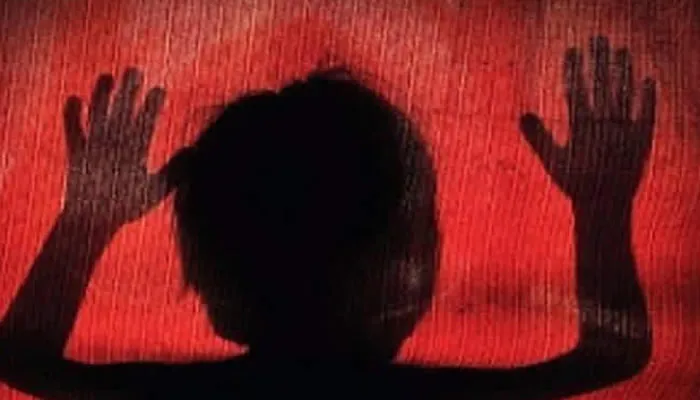
Olivia, from Kaduna State, narrated how her landlady’s brother, Abila Hassan, a Nigeria Security and Civil Defence Corps (NSCDC) officer, sexually assaulted her two young daughters.
According to Olivia, the abuse began after her husband died in 2021. While she worked to support her family, her daughters, then aged seven and four, were left at home.
She began noticing troubling signs, including unusual discharges and behavioural changes, which she initially mistook for infections.
Olivia said she had grown increasingly concerned about the children’s symptoms.
In January 2024, Olivia uncovered the alleged abuse during morning prayers when one of her daughters named Hassan as the perpetrator.
The younger child later described similar assaults, stating that Hassan used cream before penetrating them and threatened them to remain silent.
Upon confrontation, Hassan denied the allegations, and Olivia claimed her landlady attempted to suppress the matter. Following her report to the police, Hassan left the house but later surrendered to authorities.
Police took the older child to Salama Hospital, where doctors confirmed a ruptured hymen and an infection.
Olivia also accused her landlady of minimising the allegations and warning her not to make the case public. She was not informed when the suspect’s case was first heard in court and only learned of it through a prison warden. Later, Hassan’s relatives tried to persuade her to settle, offering to reimburse her expenses.
Supported by a human rights activist, Olivia stated that the accused remains in custody, but she is still awaiting formal court proceedings and further updates on medical and investigative matters.

She believes the pursuit of justice is being obstructed by corruption and misconduct within the legal system. She alleged that police statements were altered and that the Investigating Police Officer (IPO) was bribed to avoid testifying.
“The death of my husband forced me to work, and then I discovered a neighbour had violated my daughters. It shattered my life,” Olivia cried. “His relatives asked if I wanted to be paid off. I told them it’s not about money. He destroyed my daughters’ lives and their pride as women. Can anyone bring that back? I want justice. If he did this to my daughters, he’s likely done it to others!”
Her ordeal worsened in court. Olivia said she was kept in the dark about proceedings. “The day I went to court, I found out our statement had been changed. That same day, Hassan was released on bail for ₦200,000.”
She recounted a conversation with a policewoman who told her the case was being ignored because officers had profited from it.
“She said the IPO refused to testify because he had already taken a bribe.”
The emotional and financial toll has been immense. Olivia borrowed money and relocated with her children to escape the trauma.
“My children missed school for a year because I couldn’t afford it. No one knows what I’m going through.”
Despite navigating a compromised legal system, Olivia remains determined to seek justice. She said the case has been stalled for months due to repeated court delays and the transfer of the presiding judge.
“I was told the ruling would be on December 6. I went to court on December 5, but the courtroom was empty. My lawyer said she forgot to tell me the date had changed, and no new date had been set.”
She added, “Every time I ask, they say the judge was transferred and they’re waiting for a new date. The case is stalled.”
Olivia described the long-term impact on her children. “Sex is a spiritual thing. We had to move. My four-year-old now mimics the abuse during play. She did it to another girl, and the mother called me. That night, I cried and begged for forgiveness.”
She said she received no counselling and struggled to support her daughters emotionally. Her older daughter’s academic performance declined, and teachers began asking if she had mental health issues.
“She cries and says, ‘Sorry, I will change. It’s because of what he did to me.”
Olivia believes her vulnerability stemmed from being a widow. “If my husband were alive, this wouldn’t have happened. I had no one to help. I did menial jobs and couldn’t always supervise my children.”
She recalled moments of deep despair. “One night, I thought I would kill myself. I had to explain to people why my daughter behaved that way and beg for their understanding.”
Her lawyer has suggested withdrawing the case, but Olivia refuses. “She said, unless I withdraw, the case will remain stalled. But I won’t give up.”
This account raises serious concerns about the handling of sexual abuse cases, the integrity of the justice system, and the lack of support services for survivors. Olivia said neither she nor her daughters has received formal counselling.
After her husband’s death, she was left without support. She struggled to find work and care for her children. Her late husband, a police officer, had been the only one employed among his siblings, and tensions with his family worsened after his death, especially due to the presence of his daughter from a previous relationship.
Olivia said his uncle went to his office and declared she was not his wife.
“When I went to his payment point in Kanel, I found my name wasn’t listed as next of kin. Another woman’s name was there. I was told I couldn’t process his benefits unless I found her.”
Despite having the necessary documents, Olivia remains unable to access her husband’s entitlements and continues to struggle alone.
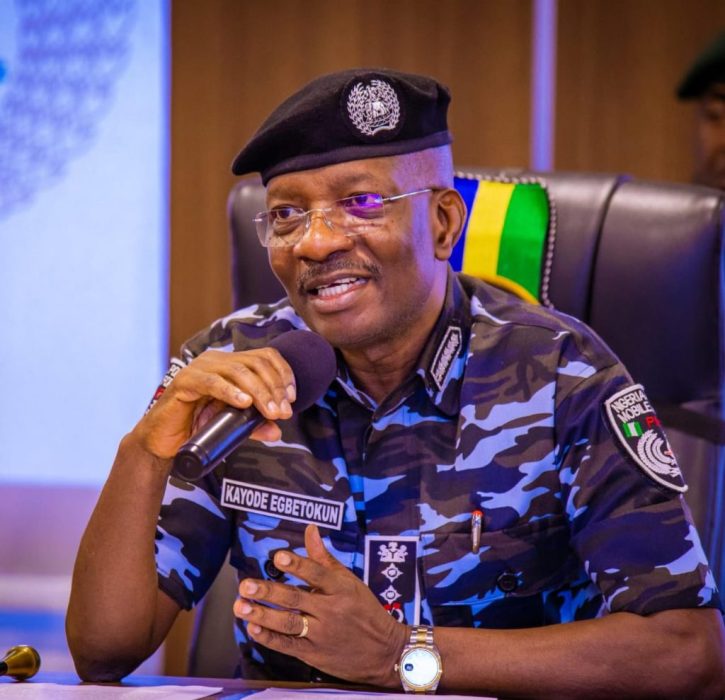
She is asking for help from the Inspector General of Police, Mr Kayode Egbetokun and human rights lawyers and activists for justice for her daughters.