
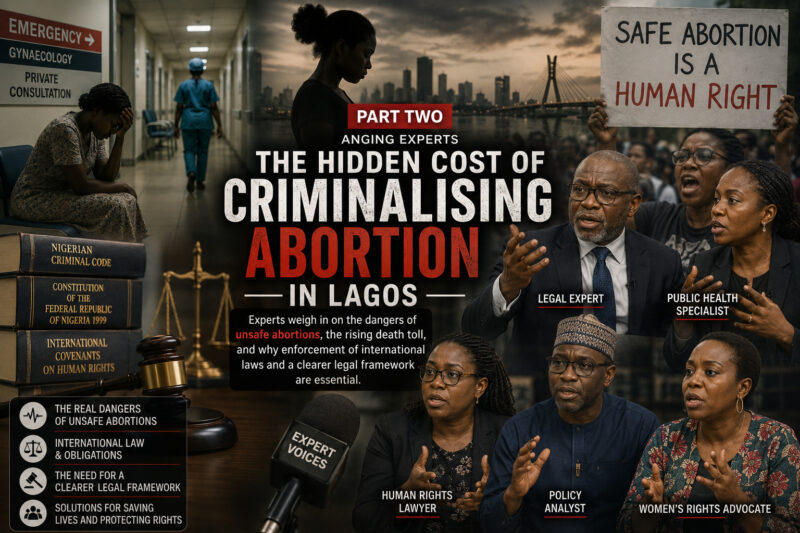

In the concluding part of this report, JULIANA FRANCIS speaks with experts on how unsafe abortions are driving preventable deaths and why stronger enforcement of international obligations and a clearer legal framework are essential to improving access to safe reproductive healthcare.
‘Four Abortions Left Me With Hearing Impairment’
Women and girls who survive unsafe abortions are often left with life-altering complications.
Forty-eight-year-old Adanne is one of them. Although she survived a near-fatal unsafe abortion, she was left with permanent hearing impairment.
Adanne, a mother of seven, spoke to our reporter in the LASU/Igando area of Alimosho Local Government Area, sharing her ordeal as a warning about the dangers of unsafe abortion.
She said financial hardship and years of domestic abuse by her husband drove her to seek unsafe abortions.
Daily beatings and forced sex defined Adanne’s life. Each pregnancy left her to shoulder the financial burden of raising a child alone, prompting her to terminate several pregnancies in a bid to survive.
The abortion that nearly claimed her life was performed by a midwife in her apartment, whom Adanne had patronised several times before. At first, the procedure seemed to go as smoothly as the previous ones. But by midnight, she was writhing in severe pain and bleeding profusely.
Adanne recalled: “When I got out of bed, I saw a bloody mass gushing from my body. Later, I was told I was carrying twins and had an incomplete abortion because the second feotus was not properly evacuated.”
She was rushed to Ajeromi General Hospital in Ajegunle, Lagos, where doctors discovered retained pregnancy tissue.
Adanne spent several days in the hospital before being discharged, but the bleeding persisted, forcing her to seek emergency care again.
“Whenever I stood up, blood would gush out. Eventually, I collapsed and was rushed back to the hospital,” she narrated.
She was later transferred to LUTH. Although she survived, the ordeal left her with permanent health complications.
“When I regained consciousness, I realised I could not hear properly. Even today, I still struggle to hear people clearly,” she said. “Blood was coming from my ears, and the doctors later told me my hearing loss was caused by complications from the abortion.”
Human Rights Activists Share Experiences
Ms Dasola Tewogbade, popularly known as Sisí Afrika, is a Nigerian feminist activist, writer, educator, and founder of Feminist Inspiring Gender Unity, Respect, and Equality (FIGUR), an organisation promoting gender equality, women’s rights, inclusion, and social justice.
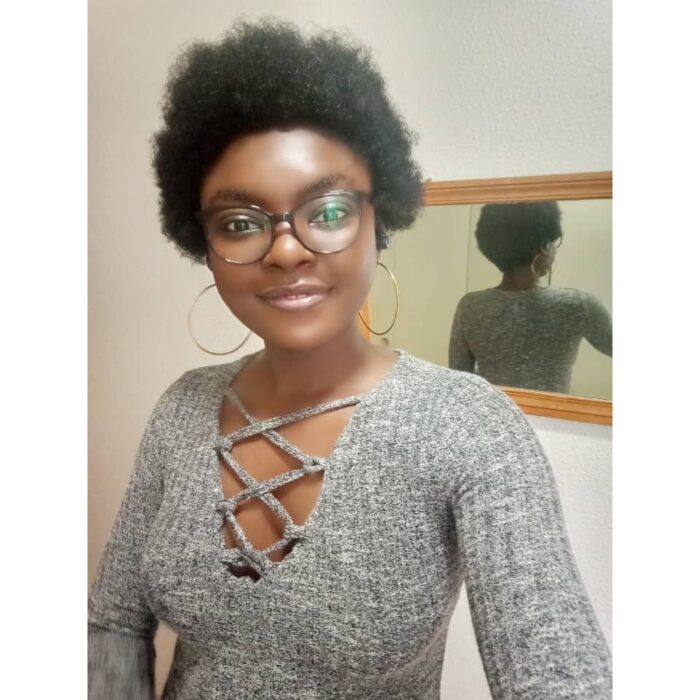
Tewogbade
The 30-year-old said her abortion experience began in 2018 when she was 22, with other incidents.
While the procedure itself was not traumatic, she said the stigma and mistreatment she faced at the Obafemi Awolowo University Teaching Hospitals Complex (OAUTHC), Ile-Ife, Osun State, left lasting scars.
“Medical practitioners treated me with disdain,” she recalled. “One male doctor refused me a bed even though I was close to passing out. I had tried to terminate the pregnancy with medication, but I later realised I hadn’t done it correctly.”
As her condition deteriorated, her partner rushed her to the hospital.
“No anaesthesia or painkillers were used,” she bleakly recalled. “The doctor who had denied me a bed interrogated me about my private life, mocked me, forced me to look at the bloody suction, called it my ‘sin,’ and demanded I beg for forgiveness while reciting religious confessions. It was sadistic!”
In 2019, determined to avoid public hospitals, she sought a second abortion at a private clinic.
“I paid an exorbitant fee,” she said. “Although I paid separately for anaesthesia and painkillers, the doctor withheld them until he realised I might not survive without them.”
Later that year, she had a third abortion at another private clinic. When she asked about long-term contraception, the doctor ignored her and addressed her partner instead.
“My partner told him, ‘It’s her body, talk to her.’ But the doctor sneered, accused me of promiscuity, and refused to provide contraceptives,” Tewogbade said.
By 2022, Tewogbade said she had a better understanding of her reproductive rights and used a condom during sex. However, it burst, and the emergency contraception failed.
“Fake pills were circulating in the market,” she said. “This time, the doctor was kind, offering sex education and contraceptives afterwards. But he still refused anaesthesia, dismissing my screams as weakness.”
She criticised Nigeria’s abortion laws, saying, “Abortion is classified as a felony, which I find absurd. Before heading for my last abortion, I announced the date of the procedure on Facebook and dared the authorities to arrest me. I had used protection and taken emergency contraception, yet I was failed by counterfeit products and denied proper healthcare.”
Tewogbade also argued that sex education in Nigeria is inadequate, adding that contraceptives are often scarce, expensive, and in some cases unlawfully withheld.
Tewogbade argued that women in Nigeria are denied autonomy over their bodies, with married women often required to obtain their husbands’ consent for reproductive decisions, while single women are urged to consider the wishes of “future husbands.”
She adds, “I want a hysterectomy because I do not want children, but in Nigeria, that is impossible. In France, where I migrated in 2024, I can openly discuss this with doctors. The Nigerian government has failed to prevent unplanned pregnancies, yet it criminalises abortion.”
Tewogbade said that Nigerian law permits abortion only in cases of rape, incest, or to save a woman’s life.
“This means abortion is considered acceptable only when a woman has been violated or is dying. That’s misogyny, plain and simple. Women should have the right to access abortion care under any circumstances. Their bodies belong to them, not to men, religious institutions, the government, or society,” she argues.
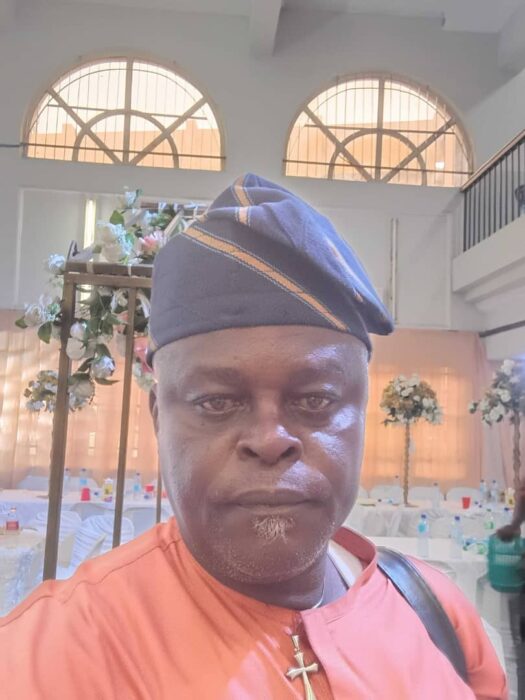
Another human rights activist, Mr Solomon Neye, Case Manager at the Ambassador for Peace and Enlightenment Foundation, recounted the tragic story of Florence, a 17-year-old secondary school student who died last year after an unsafe abortion.
Neye said Florence became pregnant by her 17-year-old boyfriend, Okechukwu, a fellow student. She told him about the pregnancy after missing her menstrual period, but kept it from her parents.
Frightened, Okechukwu sought help from a nurse who claimed she could terminate the pregnancy and gave him medication for Florence.
“Florence took the drugs, trusting they would end her ordeal. She began bleeding, and it never stopped. By the time her family rushed her to the hospital, she had lost too much blood. Despite doctors’ efforts, she died from severe internal injuries caused by the drugs,” Neye said.
He said that Florence’s father described her as “his only daughter and an exceptionally brilliant student.”
According to Neye, Florence’s death reflects the experiences of many young women in Lagos State and should be a wake-up call.
He opines that many young women facing unintended pregnancies lack accurate information, trusted adults to confide in, and supportive systems to protect them.
“Many resort to abortion not because they have made a fully informed choice, but out of fear; fear of their parents’ reaction, rejection by their partners, or having no other option. Instead of receiving help, they are harmed by people who claim to care, whether a nurse dispensing dangerous drugs or a boyfriend exerting pressure under the guise of concern,” he said.
Neye added that such tragedies stem from poor sexuality education, the lack of open parent-child conversations, and limited access to reliable reproductive health information.
“Silence has already claimed too many lives. We cannot allow it to claim more,” he said.
Experts Speak On Drivers Of Unsafe Abortion, Laws And Policies
Dr Olanrewaju Kayode Obafemi, Managing Director of God’s Presence Hospital, Ijushaga, Agege, Lagos, defined abortion as the voluntary termination of a pregnancy before viability, which in Nigeria is recognised as 28 weeks from the last menstrual period.
The gynaecologist stressed that abortion should only be carried out by qualified doctors in properly equipped facilities with trained support staff capable of managing complications.
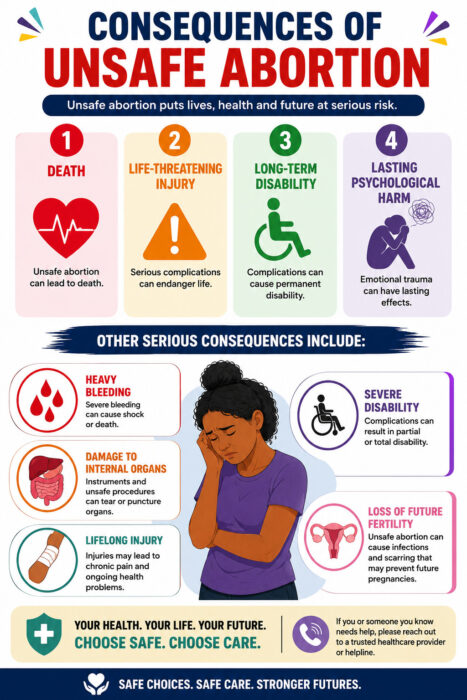
He said unsafe abortions can cause immediate complications, including severe bleeding, infections, injuries to the uterus or genital tract, and damage to organs such as the bladder and intestines.
“These are life-threatening emergencies that often go untreated because of financial constraints, inadequate healthcare facilities, or delayed presentation,” he said.
According to him, long-term complications include infertility, chronic bowel or bladder damage, and psychological trauma.
Dr Obafemi recommended training more healthcare workers to provide safe abortion care and manage complications, equipping primary health centres, expanding access to family planning services, and legalising abortion for those who choose it.
He also argued that promoting sexual abstinence outside marriage among both men and women, through government, religious institutions, and families, could help reduce unintended pregnancies and unsafe abortions.
Associate Professor of Law, Department of Public Law, University of Lagos, Dr Akinola Akintayo, said the suspension of the STOP Guidelines has further restricted women’s access to safe abortion services in Lagos State.
According to him, available evidence suggests the suspension discouraged healthcare providers from offering necessary care for fear of repercussions and stigmatisation from professional colleagues and the public.
He adds: “The suspension is a violation of the right to life provisions of relevant international conventions, to which Nigeria is a signatory to, as well as the right to safe abortion services specifically guaranteed by the Maputo Protocol.
“The suspension also violates the right to life provisions of the Constitution of Nigeria, 1999, as well as Section 201 of the Criminal Law of Lagos State, 2011, which exempts the preservation of the life and health of a pregnant woman from the prohibition of abortion under that law.”
Akintayo noted that human rights lawyers can pursue public interest litigation to protect pregnant survivors of sexual violence, relying on the right to dignity and other constitutional guarantees, as well as the African Charter and other applicable human rights instruments.
“The surest safeguard against unsafe abortion is the reform and expansion of current abortion frameworks, coupled with the establishment of institutional and social support systems to promote and advance the sexual rights and health of vulnerable segments of Nigerian society,” Akintayo said.
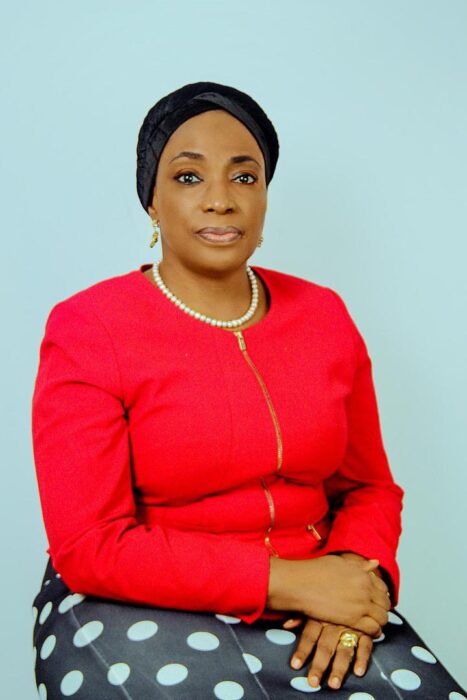
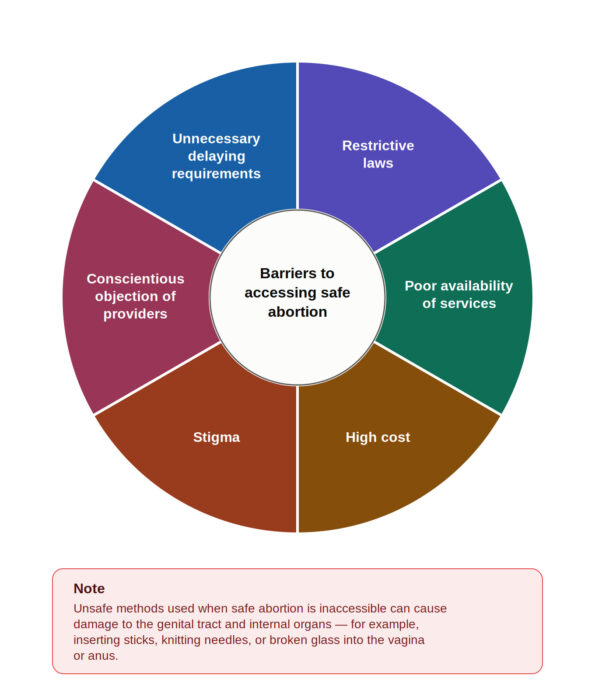
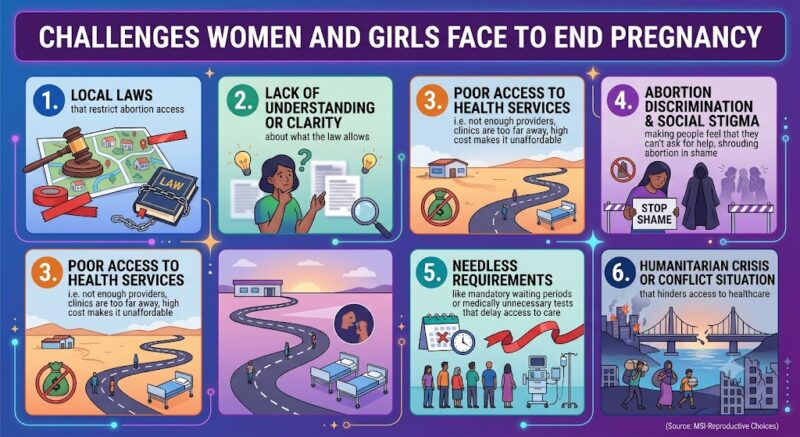
The Managing Director of the Centre for Bridging Health Gaps and public health specialist, Dr Moriam Jagun, said unsafe abortion in Lagos State is driven by two key factors: restrictive legal provisions rooted in the Criminal Code and policy gaps that limit access to safe services.
She explained: “The law in Lagos State allows abortion when the life of the mother is at risk or for physical health reasons. However, these provisions have not been clearly interpreted into medical terms for health professionals.
“Even as the law stands, there are policy gaps. It is not aligned with Nigeria’s international commitments. For instance, the Maputo Protocol, which Nigeria has signed, provides broader indications for abortion services, including protecting the life and physical or mental health of the woman, cases of rape and incest, and situations where the feotus is not viable. Unfortunately, these provisions have not been fully enforced at the national level.”
Jagun said many health professionals are unaware of the legal grounds for abortion because terms such as “the life of the mother” have not been translated into practical clinical guidelines.
“At the community level, deep-rooted social, cultural and religious stigma also plays a role. Hypocrisy is common; those who oppose abortion often seek it themselves when faced with personal circumstances,” she said.
She noted that many women resort to unqualified providers because legal uncertainty causes delays or denial of services in public hospitals, while private facilities are often unaffordable.
“Many vulnerable and marginalised women cannot afford them. As a result, they turn to unregulated patent medicine vendors or dangerous home remedies, such as herbal concoctions or invasive methods, which increase morbidity and mortality,” Jagun stated.
Jagun mentioned that the suspension of the STOP Guidelines in 2022 further worsened the situation.
“The governor’s action sent a signal to health institutions that abortion is a ‘no-go area,’ even when the law permits it. This discouraged implementation in both public and private facilities, driving women further toward unsafe practices and increasing maternal mortality rates,” said Jagun.
To curb unsafe abortion, she urged the government to align Nigeria’s abortion laws with international standards.
“For example, the law should recognise cases where the feotus is not viable, such as hydrocephalus or absence of brain tissue, rather than forcing women to carry such pregnancies to term. Mental health, incest and rape should also be included as legal grounds for abortion.”
Jagun called for clear clinical guidelines to help health workers implement the law, adding that national guidelines should be reinstated, adapted at the state level and standardised across health facilities.
“Countries such as Nepal and South Africa have successfully implemented such measures, even in rural communities, reducing morbidity and mortality. England liberalised its abortion law as far back as 1967, and Nigeria should consider similar reforms,” she said.
Jagun stressed that expanding comprehensive sexuality education and family planning services is equally important.
Jagun also suggested: “Adolescents should be empowered to make informed choices and practice safe methods. Family planning services must also be expanded to meet demand, ensuring physical, financial and social access. Lagos has made progress compared to national averages, but coverage remains inadequate.”
She noted that tackling community stigma through public education and integrating family planning into post-abortion care would help prevent repeat unintended pregnancies.
Her words: “Nigeria must therefore implement the existing law effectively, expand it to meet international best practices, translate it into clear medical guidelines for providers, educate communities to reduce stigma, and strengthen family planning and sexuality education. Only then can maternal mortality and morbidity be reduced, and women gain access to safe reproductive health services.”
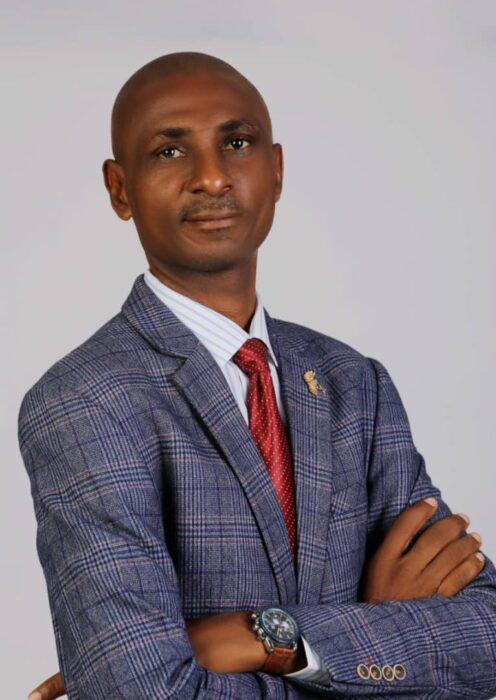
The Managing Director of Engrace Pharmacy, Idimu, Lagos State, Pharmacist Jonah Okotie, responding to questions concerning the type of medicine frequently bought over the counter for abortion, said: “There are no legitimate over-the-counter medications for abortion. The substances often used by individuals attempting to terminate pregnancies are unapproved and unsafe. Many of these drugs were originally designed for entirely different purposes but are misapplied inappropriately.
“In some cases, even common items such as lime are mixed with other substances and consumed in misguided attempts to induce abortion. It is important to emphasise that there are no standard or authorised over-the-counter drugs for abortion.
“Certain medications used in obstetrics and gynaecology, such as those administered during childbirth or in cases of unsafe abortion where the mother’s life is at risk, may have effects that could terminate a pregnancy. However, these are strictly controlled and cannot be obtained casually from pharmacies.”
Okotie said that access through illicit channels poses serious dangers. He noted that the solution lies in education and awareness.
He insisted that individuals must be prevented from having uncontrolled or unsafe access to medicines that expose them to significant health risks.
Okotie further said: “In most cases, these substances are used incorrectly, resulting not only in failed attempts to terminate pregnancies but also in severe harm to the individual’s health. Furthermore, those who supply or enable such practices face legal consequences, including imprisonment.”
According to Okotie: “For those seeking to avoid pregnancy, there are several safe and effective options, including approved contraceptive medications, condoms and other preventive methods.
“Anyone who chooses to engage in sexual activity should also take responsibility by using appropriate precautions to prevent unintended pregnancy and avoid tragic outcomes.”
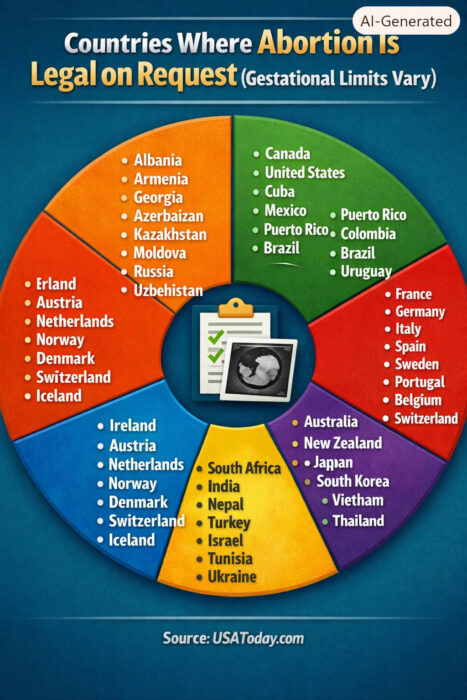
The Sustainable Development Goal 3 (SDG 3) on Good Health and Well-being, specifically Target 3.1, aims to reduce the global maternal mortality ratio to fewer than 70 deaths per 100,000 live births by 2030.
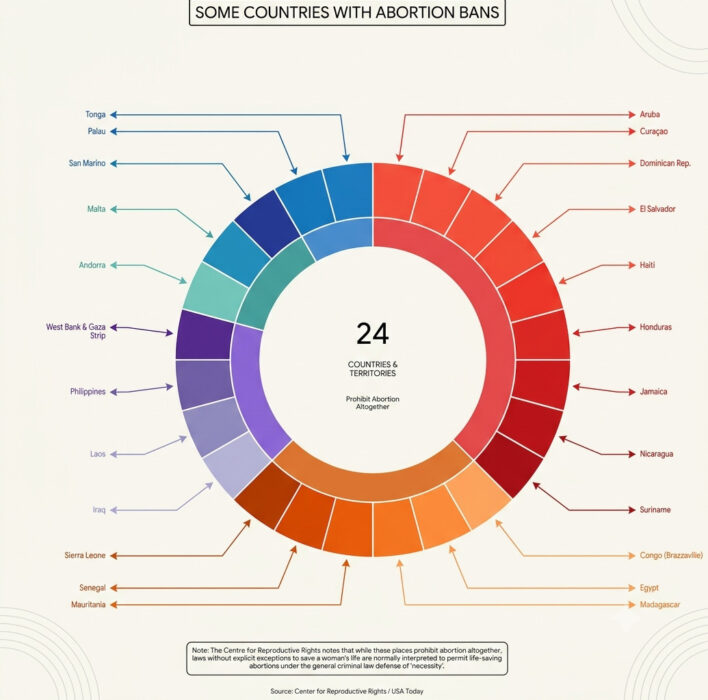
SDG Resource Centre states that achieving SDG3 requires systemic improvements in emergency post-abortion care, as well as universal access to comprehensive sexual and reproductive health services.
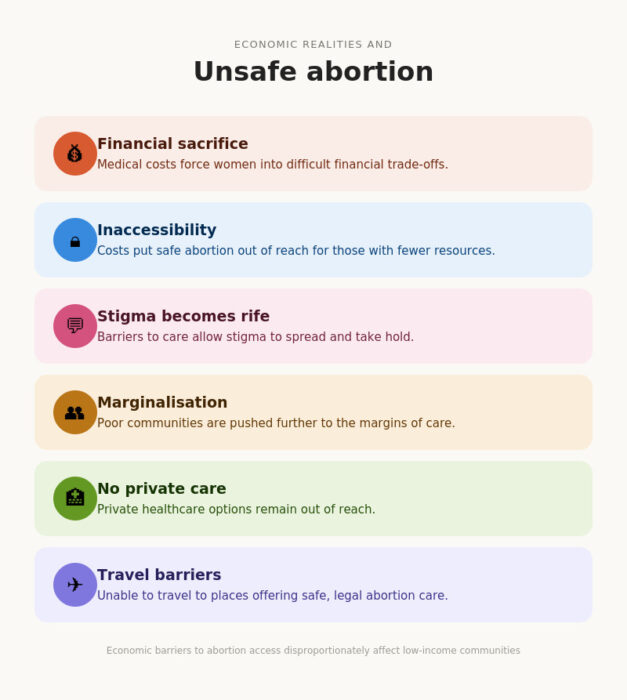
The National Library of Medicine confirms that unsafe abortion in Nigeria is a public health concern and an issue of social inequity, calling for efforts to improve equitable access to safe, high-quality and client-centred services.
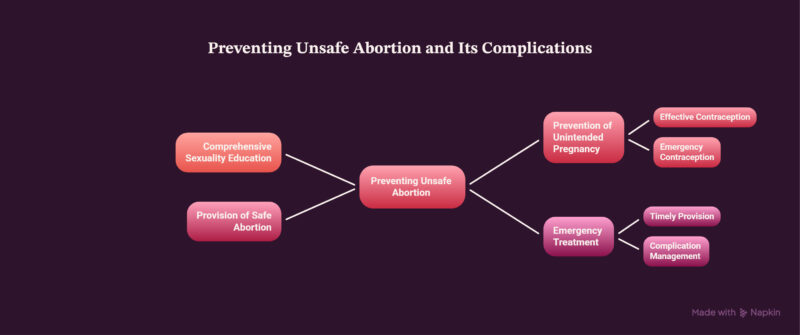
It also calls for National health policies to address both the legal and practical barriers to safe abortion access.
This report was facilitated by the Women Advocates Research and Documentation Centre (WARDC) as part of the Memorial Campaign on Ending Preventable Deaths from Unsafe Abortion in Lagos State.
Note: Some names have been changed at the request of the women who spoke with our reporter to protect their identities.
Concluded.