

…An Integrated Strategy for Sustainable Peace and National Security
By Ethelbert A Oney
POLICY SUMMARY
Executive Summary
Terrorism continues to threaten lives, livelihoods, public institutions, and national development in Nigeria. The prolonged violence associated with Boko Haram, the Islamic State West Africa Province (ISWAP), and other armed networks has displaced families, disrupted education and agriculture, and weakened confidence in government. Although security operations remain necessary, military force alone cannot deliver enduring peace. Nigeria needs a coordinated national response that protects civilians, improves intelligence, disrupts illicit financing, strengthens justice, prevents recruitment, and restores communities affected by violence.
Understanding the Security Challenge
Nigeria faces overlapping but distinct forms of insecurity, including ideologically motivated terrorism, kidnapping, organised crime, and localised armed conflict. These threats should not be treated as interchangeable. Government agencies must develop current, region-specific assessments of armed groups, recruitment dynamics, financing, civilian vulnerabilities, and institutional gaps. Such assessments must distinguish perpetrators from residents acting under coercion or fear. Collective suspicion of religious, ethnic, or geographic communities would undermine both fairness and effective intelligence gathering.
A Coordinated Security Response
The first priority is to prevent attacks and protect communities at immediate risk. Military, police, intelligence, border, and financial investigation agencies should work through clearly defined responsibilities and secure information-sharing procedures. Operational effectiveness should be judged by credible threat prevention, timely response, civilian safety, and lawful disruption of violent networks—not solely by arrests or military activity. Personnel need appropriate training, equipment, oversight, and mechanisms for investigating credible misconduct. Public trust is an essential security asset.
Disrupting Financing and Strengthening Regional Cooperation
Terrorist groups depend on financial, logistical, and recruitment networks. Nigerian authorities should pursue evidence-led investigations into illicit transfers, corruption, criminal markets, and material support, with judicial safeguards for asset freezes and prosecutions. Cross-border cooperation with Cameroon, Chad, Niger, and relevant regional bodies is equally important, particularly around the Lake Chad Basin. Intelligence exchange, border management, and joint civilian-protection efforts must be balanced with the legitimate trade and movement on which border communities rely.
Preventing Recruitment and Addressing Vulnerabilities
Long-term prevention requires functioning schools, credible local leadership, economic opportunity, and fair public administration. Poverty alone does not cause terrorism, but armed organizations can exploit exclusion, insecurity, grievances, and limited prospects. Investments should therefore reflect local needs: safe schooling for displaced children, vocational pathways for young adults, and restored agricultural access, markets, and infrastructure. Community and religious leaders can help challenge narratives that justify violence, while early interventions should remain voluntary, proportionate, and respectful of lawful expression.
Justice, Rehabilitation, and Reintegration
Accountability and reintegration must reinforce rather than replace each other. Suspected perpetrators of serious crimes should be investigated and, where evidence supports it, prosecuted with due process. Individuals coerced into participation, especially those recruited as children, may require distinct protection and recovery services. Carefully assessed rehabilitation can provide counseling, education, and livelihood support, but it must not automatically erase criminal responsibility. Victims and receiving communities should have a meaningful voice in reintegration decisions, with safeguards against renewed violence.
Recovery, Governance, and Public Confidence
The consequences of terrorism continue long after attacks end. Survivors and displaced households may need health care, trauma services, legal assistance, housing, schooling, and income support. Returns to home communities must be safe, informed, and voluntary; alternatives should be available when return is not feasible. Transparent reconstruction of schools, clinics, roads, water systems, and markets can help restore ordinary life. At every level, responsive government, access to justice, anticorruption controls, and equal protection under the law are necessary to rebuild confidence.
Implementation and Measurement
Nigeria should adopt a single national framework with designated agency responsibilities, realistic budgets, independent oversight, and periodic public reporting. Priorities should include civilian protection; interagency intelligence coordination; financing investigations; prevention and community engagement; justice and professional accountability; reconstruction; and regional partnerships. Progress should be measured through trends in attacks, kidnapping, displacement, access to essential services, quality of investigations, safe returns, community confidence, and compliance with human rights standards. Programs that do not demonstrate results should be revised.
Conclusion
A safer Nigeria will not emerge from force or development programs in isolation. Sustainable progress requires capable security institutions, credible justice, community cooperation, regional partnerships, and long-term investment in people and public services. The defining measure of success is whether citizens can attend school, work, farm, trade, travel, and rebuild their lives without persistent fear. Consistent implementation, transparent accountability, and the protection of human dignity offer the strongest foundation for lasting national peace.
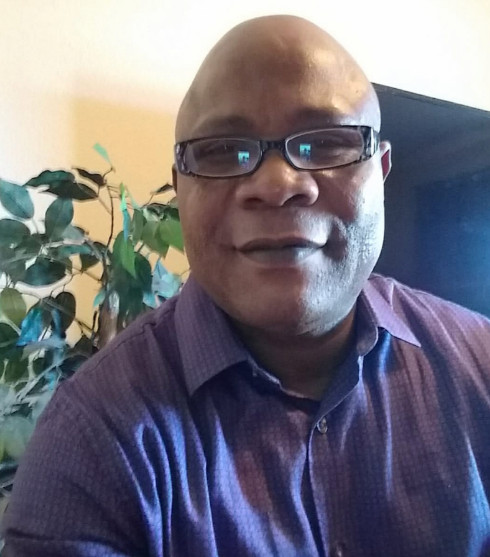
Mr Ethelbert A. Oney is a US-based counterterrorism expert