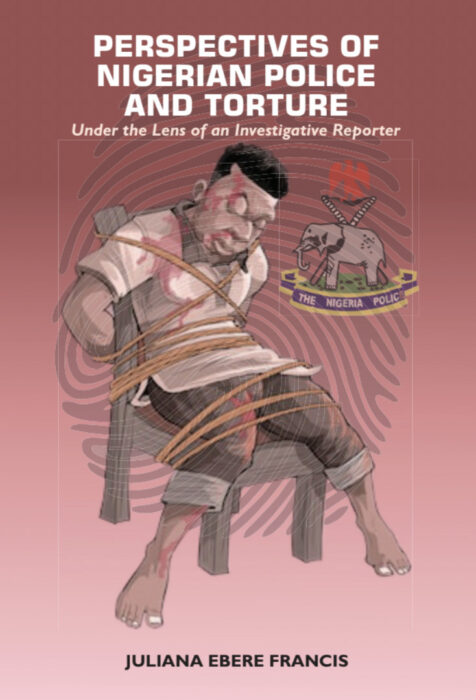


In a disturbing escalation of Nigeria’s policing crisis, Divisional Police Officer (DPO) Oladejo of Ogun State has been summoned for questioning following credible allegations of extortion, unlawful arrests, and abuse of authority.
The development, first reported by Sahara Reporters, marks a rare move toward accountability in a force long accused of shielding officers from scrutiny.
Eyewitnesses and multiple complainants describe a chilling pattern of misconduct. Oladejo allegedly targeted civilians and small business owners, threatening fabricated criminal charges to extract cash bribes.
Victims report arbitrary detention, coercive interrogation, and prolonged confinement, often resolved only after payments were made to secure release, practices that violate Nigeria’s Constitution and the Administration of Criminal Justice Act.
Sources detail a modus operandi that includes trumped-up charges, station-based extortion, and traffic checkpoints repurposed into cash collection points. Families of detainees recount harrowing experiences, pressured to deliver money under duress while due process was ignored.
Extortion sums reportedly ranged from tens of thousands of naira to significantly higher amounts.
The summons comes amid mounting public anger and formal petitions to police authorities. Advocacy groups such as the Rule of Law and Accountability Advocacy Centre (RULAAC) have condemned the case as emblematic of a culture of impunity within the Ogun State Police Command.
While Oladejo has been called to explain, no suspension or formal disciplinary action has yet been announced, raising concerns that the response may be performative rather than substantive.
Critics argue that the allegations highlight deeper structural weaknesses in Nigeria’s policing framework. Chronic underpayment, poor training, and tacit tolerance for “informal revenue generation” have fostered an environment where predatory practices thrive.
Residents of Ogun State, a bustling hub bordering Lagos, have long complained that police prioritise personal gain over public safety, with checkpoints serving more as extortion points than crime deterrents.
If substantiated, the allegations against Oladejo represent not just individual misconduct but a severe erosion of the rule of law. Advocates are calling for transparent investigations, restitution for victims, and systemic reforms to prevent recurrence. Without decisive action, observers warn, the case risks becoming another cautionary tale in Nigeria’s long history of unchecked police impunity.
The unfolding events place the Nigeria Police Force at a crossroads. Civil society, Ogun residents, and the wider public are watching closely to see whether authorities will demonstrate genuine accountability or perpetuate a cycle of impunity.
The Oladejo case is widely seen as a litmus test for Nigeria’s ability to confront entrenched corruption within its security institutions, with consequences that extend far beyond Ogun State