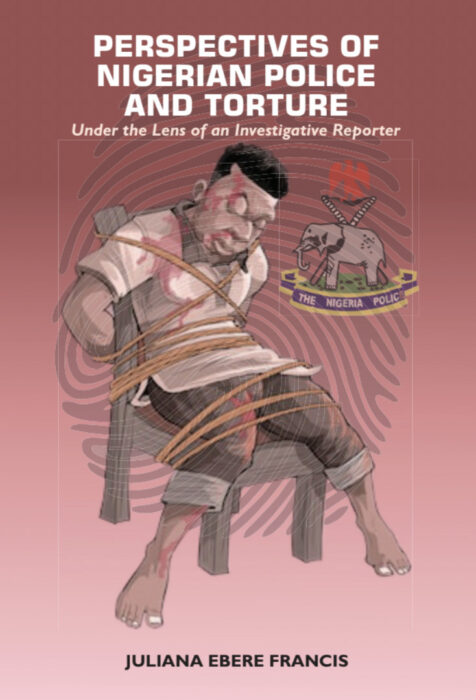


Human rights activist and journalist Steven Kefas has spoken out about his 2019 abduction in Port Harcourt, allegedly carried out by plain-clothes policemen linked to then-Kaduna State Governor Nasir El-Rufai.
“When the plain-clothes policemen sent by El-Rufai from Kaduna finally tracked me down and abducted me in Port Harcourt after several days of surveillance, they had no arrest warrant,” Kefas recalled. “They immediately seized my phones, preventing me from making any calls, and instructed the Mini Okoro Police Station, where they detained me, not to allow anyone to see or speak to me.”
Kefas said his ordeal took a dramatic turn when an elderly policewoman showed compassion. “Around 8 p.m., I pleaded with an elderly policewoman who let me use her phone to call my brother. That single phone call saved my life and prevented the ‘Dadiyata model’ from being applied to me.”
By the next morning, May 9, 2019, Kefas was to be transferred to Kaduna. However, widespread media coverage of his abduction forced authorities to deliver him alive.
Kefas also drew parallels to the disappearance of activist Abubakar Idris, popularly known as Dadiyata, who vanished in August 2019.
According to Kefas, Dadiyata was lured from Kano to Kaduna late at night. His wife recounted that he arrived at their Barnawa home around 2 a.m., where abductors immediately accosted him.
“They took him away and drove off in the BMW car he was using that night. That was the last anyone saw of him or the vehicle he vanished forever,” Kefas said.
He suggested that Call Detail Records (CDR) from that night could reveal who Dadiyata was speaking with, as family members believe the calls lasted for hours and may have been orchestrated by those behind the abduction.
Kefas’ revelations have sparked strong reactions online. Patrick Adokwu remarked that “karma really doesn’t forget,” while Jibrin Adze emphasised that “no Nigerian deserves to be abducted or detained without due process. The rule of law must always stand above power.”
Others urged caution in assigning blame. Chris Jesuitism noted, “Our hate for El-Rufai shouldn’t cloud our sense of judgment by exonerating Ganduje completely. I ask again: #WhereIsDadiyata.”
Meanwhile, Gani Umar Ahmad Rufa’i stressed accountability, saying, “Power is not just about what you do with your hands; it is also about what you permit with your silence.”
Nearly seven years later, Dadiyata’s fate remains unknown. Kefas’s account underscores the dangers faced by outspoken critics of government and the urgent need for transparency.
As one commenter, Lois Juma, put it: “Quite revealing. We pray that the truth will be revealed soon.”