

Two prominent civil society organisations have issued a high-stakes roadmap for reform, warning that “history will record” whether this leadership transition translates into genuine institutional change.
In a joint statement released Tuesday, the Rule of Law and Empowerment Initiative (Partners West Africa-Nigeria) and the Rule of Law and Accountability Advocacy Centre (RULAAC) characterised the appointment as a “defining reform juncture” for a force currently struggling with deep-rooted systemic deficits.
One of the most pressing concerns raised by the groups is the recurring practice of retiring high-ranking officers, Deputy Inspectors-General (DIGs) and Assistant Inspectors-General (AIGs) simply because they are senior to a newly appointed IGP.
“This practice is not legally mandated,” the organisations stated. “It drains institutional memory, weakens command continuity, and deepens leadership gaps at the most strategic levels. Manpower depletion must be reversed, not normalised.”
The groups called for an immediate end to these “blanket retirements,” arguing that the Nigeria Police Force cannot afford to lose its most experienced hands during a period of national security volatility.
Addressing the morale crisis within the ranks, the CSOs argued that poor living conditions in dilapidated barracks and delayed promotion arrears are directly linked to police misconduct.
“Welfare reform is not charity,” the statement noted. “It is a strategic anti-corruption imperative.”
The groups are demanding a nationwide welfare audit and the establishment of a transparent grievance-redress mechanism to ensure officers are treated with the dignity required of their service.
The joint statement outlined a comprehensive nine-point agenda to stabilise the force and regain public trust. Central to this is the demand for Security of Tenure, ensuring strict adherence to the Police Act 2020 to prevent “policy short-termism.” The groups also emphasised Budget Transparency, calling for the publication of a costed Annual Policing Plan to replace current “improvisation” with professional planning.
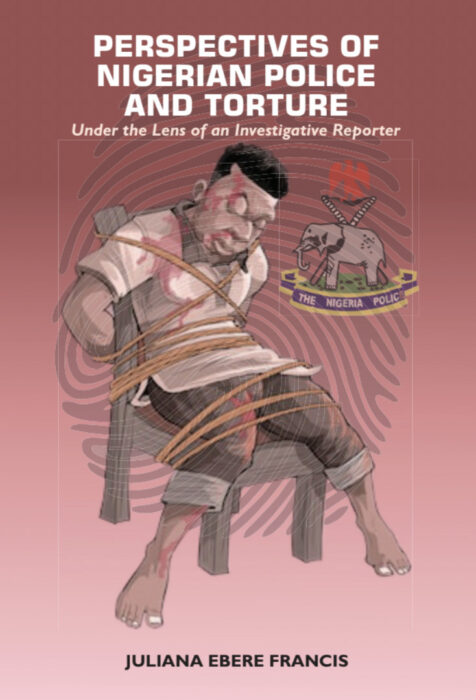
Furthermore, the organisations highlighted the need for Oversight Reform, specifically the reconstitution of the Police Service Commission (PSC), which they claim is currently misaligned with the law. To restore public faith, the statement demanded an End to Impunity by investigating legacy abuses in units like the “Tiger Base” in Imo and Awkuzu in Anambra, alongside a commitment to Electoral Neutrality to ensure the force remains non-partisan during upcoming political cycles.
Kemi Okenyodo, Executive Director of Partners West Africa – Nigeria, and Okechukwu Nwanguma, Executive Director of RULAAC, emphasised that the new IGP must move beyond rhetoric. They highlighted the need for digital case management systems to curb bail racketeering and checkpoint extortion.
“Professional policing requires planning, not improvisation,” the leaders asserted. “The Force should develop and publish measurable performance indicators and oversight benchmarks.”
The groups also aimed at the current composition of the Police Service Commission, noting that its heavy reliance on retired police officers and judges weakens civilian oversight and fails to meet the standards set by the Police Service Commission Act.
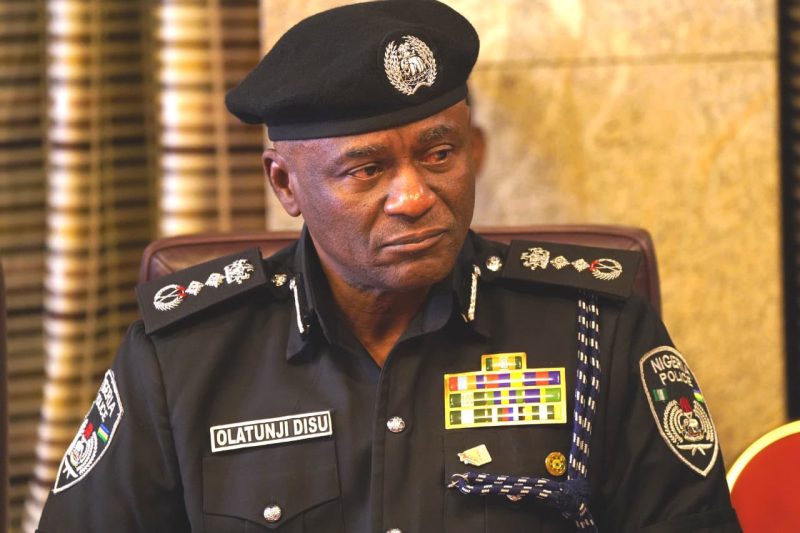
The statement concluded with an olive branch, stating that the civil society community is ready for “constructive engagement” with Acting IGP Disu. However, the message remained firm: public confidence depends entirely on whether the new leadership prioritises the law over political expediency.
“Nigeria needs a police institution trusted by citizens, respected by the judiciary, and supported by its personnel,” the groups concluded. “This is a moment of institutional reckoning.”