

Human rights lawyer and former Secretary of the Nigerian Bar Association (NBA), Owerri Branch, Chinedu Agu, has called for the dismantling and overhaul of the Anti-Kidnapping Unit of the Imo State Police Command, popularly known as Tigerbase.
Agu made the remarks during the public presentation of The Tiger Base Files, a report released by the Coalition Against Police Tigerbase Impunity (CAPTI).
Speaking at the event, Agu recounted his personal ordeal in police custody earlier this year, describing himself as both a victim and survivor of police impunity.
He said he was unlawfully detained beyond the constitutionally prescribed period, remanded for 28 days, and denied bail despite not being convicted of any offence.
“At no point was I convicted of any offence. At no point was I found guilty by any court of competent jurisdiction. Yet, I lost my liberty,” Agu told the audience. “That experience places me not merely as an observer, but as one of the survivors of the high-handedness of law enforcement.”
Agu alleged that Tigerbase operatives routinely transferred detainees to prison without arraignment, often targeting those unable to pay “exorbitant sums running into millions of naira” for their release.
He described detention as having become “a tool of coercion and punishment for the poor.”
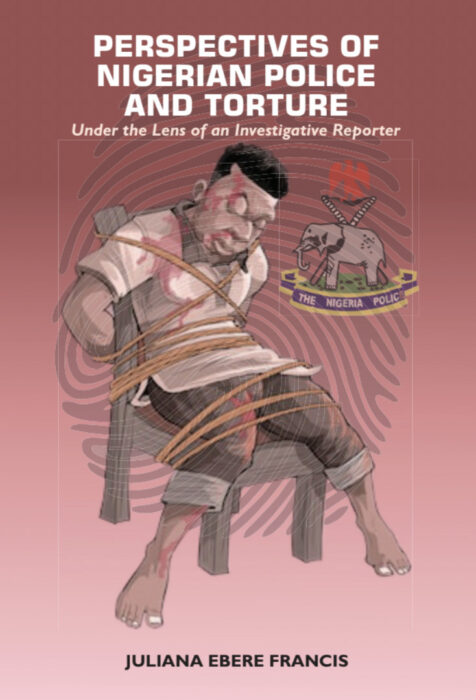
He further recounted testimonies from fellow inmates who spoke of brutal beatings, mock executions, crucifixion-style torture, and threats against family members.
Many detainees, he said, were forced to sign confessions to crimes they did not commit.
The report also highlighted systemic failures in judicial oversight. Agu quoted NBA Owerri Human Rights Committee Secretary, Ikechukwu Godwin Umah, who revealed that Chief Magistrates were routinely denied access to Tigerbase cells during mandated monthly inspections.
“No one dares enter the cells of the anti-kidnapping unit,” Umah said in a December 10 broadcast marking International Human Rights Day. “Chief Magistrates have been locked out of the Tigerbase Unit several times.”
According to Umah, detainees were often hidden from inspection, while some were remanded without ever appearing in court.
Agu cited a recent case, Ugorji v. Ajurunwa, where Tigerbase operatives allegedly intervened in a land dispute despite a court judgment, arresting the judgment creditor and enforcing the debtor’s claims.
“In that moment, a court judgment was rendered useless by police action,” Agu said. “When that happens, the rule of law is no longer under threat; it has been suspended.”
While acknowledging Tigerbase’s successes in combating kidnapping, Agu insisted that operational achievements cannot justify torture, extortion, or disregard for due process.
“Professional policing and respect for human rights are not competing ideals; they are inseparable obligations,” he said. “What is required is not denial, propaganda, or defensiveness, but a total and transparent overhaul of the Anti-Kidnapping Unit in Imo State.”
He urged authorities to restore judicial oversight, enforce compliance with the Administration of Criminal Justice Law, sanction erring officers, and place human dignity at the centre of security operations.