

The Executive Chairman of the Economic and Financial Crimes Commission, EFCC, Mr Ola Olukoyede, has called for stronger collaboration and support from traditional institutions, the judiciary, security agencies and other critical stakeholders in Nasarawa and Plateau states to confront economic and financial crimes and other acts of corruption in Nigeria.
He made the call through the Acting Zonal Director, Abuja Zonal Directorate of the EFCC, Assistant Commander of the EFCC, ACE I Michael Wetkas, during a series of engagements with key institutions in the two states.
The engagements, which took place between October 2 and October 6, 2026, were aimed at strengthening existing relationships between the Commission and its institutional partners and securing greater cooperation in the discharge of its mandate.
In Nasarawa State, the EFCC delegation visited the Emir of Lafia, His Royal Highness, Justice Sidi Dauda Bage (retd.); the Chief Judge of Nasarawa State, Justice Aisha Mohammed Usman and the Commissioner of Police, Nasarawa State Command, Shetima Jauro Mohammed.
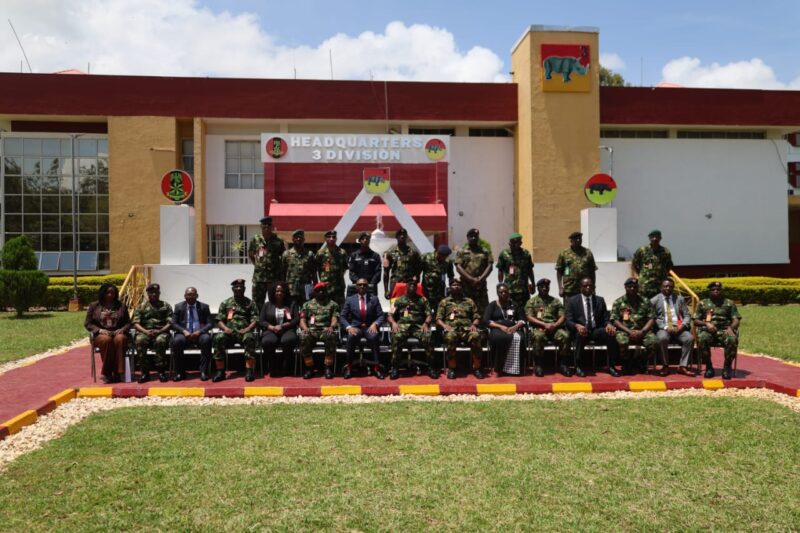
The Commission’s collaboration drive extended to Plateau State, where Wetkas also led the delegation of the Commission on a courtesy visit to the General Officer Commanding, GOC, 3 Division, Nigerian Army, Jos, Major General Maxwell W. Dangana. The visit took place on October 2, 2026, at the Headquarters of the Division, Maxwell Khobe Cantonment, Jos.
He explained that the nature of operations undertaken by the EFCC and the Nigerian Army made cooperation particularly important.
The engagements provided an opportunity for the Commission to discuss some of the emerging threats posed by economic and financial crimes, including cybercrime and investment fraud, while also seeking stronger institutional support for enforcement and prevention.
At the palace of the Emir of Lafia, Olukoyede said the visit was both official and consistent with traditional customs, describing it as an opportunity to seek the “father’s blessing”. He appealed to the traditional institution to support the collective efforts against corruption and other economic and financial crimes, particularly crimes involving young Nigerians.
Olukoyede expressed concern over the increasing involvement of young people in cybercrime, popularly referred to as “Yahoo Yahoo”, noting that some youths appeared increasingly unwilling to pursue legitimate means of livelihood.
The concern, he said, required a collective response involving not only law-enforcement agencies but also traditional rulers, families, communities and other institutions capable of influencing social values.
Responding, the Emir expressed delight at receiving the EFCC team, describing the Commission as one of the most important agencies that has contributed significantly to keeping the country together.
He commended the EFCC for its achievements and continued efforts in combating internet fraud and other forms of financial crimes, stressing that no country can achieve meaningful development without confronting corruption. The traditional ruler assured the Commission of his support in its efforts to promote accountability and integrity in society.
Speaking with the Chief Judge of Nasarawa State, the EFCC boss acknowledged the challenging nature of the Nigerian criminal justice system while drawing her attention to the growing menace of investment fraud, noting that even judges and other highly placed professionals could sometimes become unsuspecting victims of fraudulent investment schemes.
The Chief Judge thanked the EFCC team for the visit and equally expressed concern over the prevalence of investment fraud in the society.
Justice Usman assured the Commission of the readiness of the judiciary to continue working closely with the EFCC, particularly through the timely consideration of emergency applications required to facilitate the Commission’s operations and enhance the effectiveness of its investigations.
She commended the EFCC for its professionalism, commitment and good work ethics, noting the importance of continued institutional cooperation in the administration of justice.
In a separate engagement with the Commissioner of Police in the state, Shetima Jauro Mohammed, the EFCC Chairman underscored the importance of inter-agency cooperation in tackling economic and financial crimes, noting that both the EFCC and the Nigeria Police Force have complementary responsibilities in the fight against crime.
Reacting, CP Mohammed said the Command is ready to collaborate and cooperate with the Commission, stressing that there was no fundamental difference in the objectives of the two agencies when it comes to protecting the citizens and combating criminality. He assured the EFCC team of the continued support of the Police Command whenever required.
In Plateau State, the EFCC Chairman stressed the fact that the nature and operations of the EFCC and the Nigerian Army make cooperation between both institutions particularly important for anti-graft war. He said effective collaboration between EFCC and the Army would not only facilitate smooth execution of operations but would also enhance the safety and effectiveness of personnel deployed in the field.
Olukoyede stressed the need for the two institutions to work closely together, particularly in situations where EFCC operations may require security support, intelligence sharing or other forms of assistance from the military.
He expressed concern over the growing menace of illegal mining in Plateau State and its implications for Nigeria’s economy and national security, saying the development constitutes more than an environmental and regulatory challenge while creating the avenue for economic and financial crimes to thrive.
The anti-graft leader sought greater cooperation between both parties in identifying, disrupting and investigating criminal activities associated with illegal mining and other illicit economic activities.
He observed that fraudulent activities, particularly those perpetrated through digital platforms and deceptive investment schemes, have the potential to undermine public confidence, damage Nigeria’s international reputation and negatively affect the country’s economic standing.
He pointed out that tackling these crimes requires not only enforcement but also prevention, intelligence sharing and sustained public enlightenment.
In response, Major General Dangana announced the readiness of the Division to collaborate with the EFCC and provide the necessary assistance to ensure that personnel of both institutions are able to carry out their duties safely and effectively.
The GOC acknowledged that contemporary security challenges increasingly require security and law-enforcement agencies to work together, stressing the importance of building both formal and informal relationships that would facilitate communication and ease the discharge of operational responsibilities.
He assured the EFCC delegation of the Division’s willingness to assist whenever required, especially in addressing illegal mining and its wider security implications in the state and the country at large.
He also acknowledged that sustained collaboration among agencies would enhance the ability of the government to respond to criminal activities that threaten economic development, security and the well-being of communities.
In a significant step towards strengthening preventive measures, the GOC requested the EFCC to organise an interactive sensitisation session for officers and soldiers of the Division on investment scams and related financial crimes. According to him, such engagement would equip personnel with the knowledge required to recognise fraudulent investment schemes, understand emerging methods used by fraudsters and protect themselves from becoming victims.