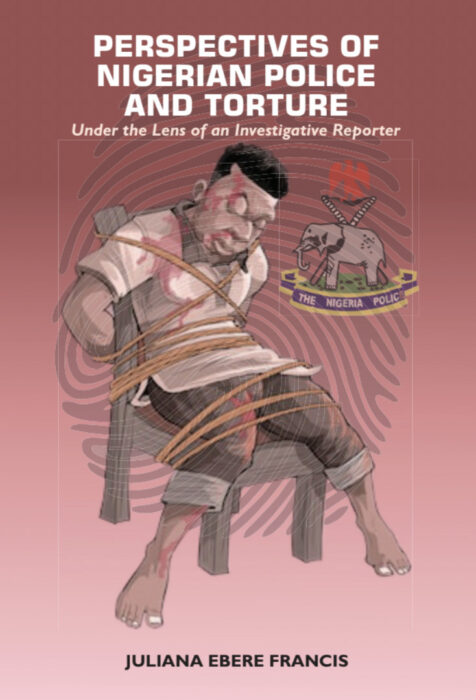


The Rule of Law and Accountability Advocacy Centre (RULAAC) has expressed concern over the decision by the Nigeria Police Force to disband the controversial “Tiger Base” tactical unit in Owerri, Imo State, only to inaugurate another tactical police formation reportedly operating from the same facility and under substantially the same command structure.
In a statement issued on May 14, 2026, RULAAC Executive Director Okechukwu Nwanguma said the development raises “serious questions about the sincerity of ongoing police reform efforts in Nigeria.”
According to him, “what is being presented as reform may merely be a cosmetic rebranding exercise designed to deflect public criticism without addressing the underlying culture of abuse and impunity.”
The rights group noted that Tiger Base had, over the years, become associated with allegations of torture, enforced disappearances, arbitrary detention, extortion, and extrajudicial killings.
RULAAC said victims, lawyers, journalists, families, and civil society organisations had consistently documented alleged patterns of abuse linked to the operations of the unit.
The organisation argued that the disbandment of the tactical outfit should ordinarily have created an opportunity for genuine institutional reform, including independent investigations into allegations of abuse, accountability for implicated officers, justice and reparations for victims, as well as structural reforms and human rights-focused retraining.
“Instead, the establishment of another tactical formation under substantially similar conditions suggests continuity rather than reform,” the statement said.
RULAAC further warned that retaining personnel or leadership figures associated with serious allegations of abuse sends a dangerous signal that misconduct within the policing system carries no consequences.
“This undermines public trust, weakens accountability, and emboldens further violations,” Nwanguma stated.
The organisation also raised concerns about possible political interference in policing, stressing that tactical police units must not become tools for political intimidation or partisan interests.
“Professional policing requires operational independence, transparency, accountability, and strict adherence to constitutional and legal standards,” the statement added.
RULAAC said the controversy recalls the aftermath of the #EndSARS protests, when the disbandment of the defunct SARS unit was followed by the establishment of SWAT, a move that sparked fears that abusive structures were simply being renamed rather than fundamentally reformed.
The advocacy group maintained that genuine police reform cannot be achieved through changes in nomenclature alone, insisting that meaningful reform must include accountability, transparency, civilian oversight, institutional culture change, and justice for victims.
The organisation called for a transparent and independent investigation into allegations against Tiger Base operatives and leadership, prosecution of officers implicated in abuses, compensation and support for victims, and stronger civilian oversight involving the National Human Rights Commission, judicial institutions, and civil society organisations.
It also demanded clear operational guidelines and publicly accountable rules of engagement for tactical police units, alongside measures to shield policing from political interference and abuse.
“The people of Imo State and Nigerians generally deserve a policing system founded on professionalism, legality, accountability, and respect for human rights, not the recycling of abusive structures under new labels,” the statement concluded.