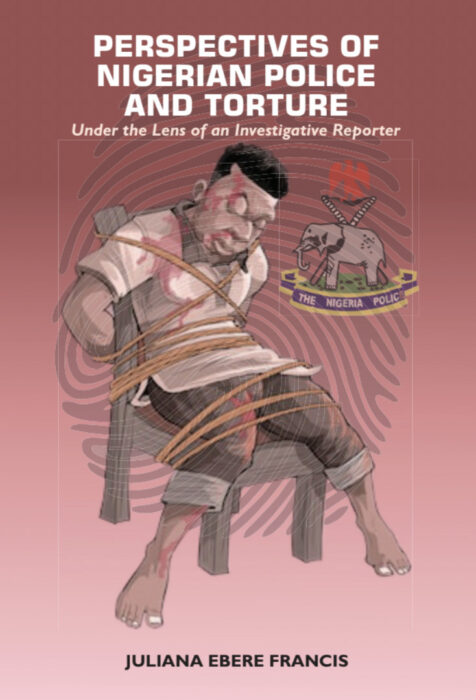


– By Okechukwu Nwanguma
At the Sixty-Seventh Ordinary Session of the ECOWAS Authority of Heads of State and Government, one issue that lingered just beneath the polished diplomatic language of the final communiqué was the chronic non-compliance of member states—Nigeria, chief among them—with the binding decisions of the ECOWAS Court of Justice.
The contradiction between the solemn affirmations of regional cooperation and human rights, and the persistent undermining of regional legal authority, is one that ECOWAS can no longer afford to ignore.
The speech by Nigeria’s Attorney General and Minister of Justice, delivered on the sidelines of the summit, was especially revealing. Rather than commit to upholding the supranational court’s rulings, he offered a litany of excuses for Nigeria’s serial disobedience—ranging from “national interest” concerns to “procedural inconsistencies” in the court’s judgments. These justifications ring hollow and reflect a disturbing trend of executive impunity and selective adherence to the rule of law.
Dodging Justice Under the Guise of Sovereignty
The ECOWAS Court was established as a regional safeguard against abuses of power, particularly in countries where domestic judicial systems are compromised, politically captured, or unable to provide effective remedies. Its authority derives from the Revised Treaty of the Economic Community of West African States and the Supplementary Protocol of 2005, which gave the Court jurisdiction to hear individual complaints of human rights violations.
Nigeria, as a founding member of ECOWAS and home to the Court’s headquarters in Abuja, should be at the forefront of championing its authority. Instead, successive Nigerian governments have either ignored or delayed implementing the Court’s judgments. From the prolonged refusal to release Sheikh Ibrahim El-Zakzaky and his wife despite a 2016 ruling ordering their release and compensation, to the disregard of rulings on cases involving media rights activists and victims of police brutality, Nigeria’s defiance has become a litmus test for regional legal accountability.
A Minister’s Dangerous Logic
The Attorney General’s defense—that compliance with ECOWAS Court rulings must be “weighed against national security and constitutional provisions”—is both legally flawed and politically dangerous. It undermines the very premise of supranational adjudication: that some principles—such as the protection of fundamental rights—supersede domestic expediencies. His statement mirrors the disturbing posture taken by a former Attorney General, Abubakar Malami, who infamously declared that human rights must be “subservient to national interest,” a position that has no place in any democratic society.
By placing national discretion above treaty obligations, the Attorney General sets a precedent that other authoritarian-leaning regimes in the region can readily exploit. The result is a domino effect that erodes the ECOWAS legal framework and renders the Court impotent.
The Communiqué: A Missed Opportunity
The final communiqué of the summit, while reiterating commitments to regional integration and justice, failed to confront the elephant in the room. It made no direct reference to enforcement mechanisms for court judgments or sanctions for non-compliance. The silence is deafening and signals a lack of political will to defend one of the community’s most critical institutions.
If ECOWAS leaders are serious about regional peace, security, and good governance, they must move beyond rhetorical commitments. The Authority should consider establishing a compliance monitoring mechanism and empowering the ECOWAS Parliament or Commission to name and shame recalcitrant states. Financial or political penalties for chronic defaulters, including suspension from certain regional benefits, should be on the table.
Conclusion
Nigeria’s failure to comply with ECOWAS Court rulings is a betrayal of its regional leadership role and a threat to the integrity of West Africa’s justice architecture. No amount of diplomatic gloss or legalistic evasion by government officials can conceal the fact that disobedience to court orders corrodes the rule of law.
The ECOWAS Court was designed to be the last hope for citizens failed by their states. If the region’s largest democracy can flout its judgments without consequence, then the promise of justice for the West African people is nothing more than an illusion.
– Okechukwu Nwanguma is a human rights advocate and Executive Director of Rule of Law and Accountability Advocacy Centre (RULAAC). He writes on security sector reform, justice, and human rights in West Africa.