

A wave of public fury has erupted following a brutal attack by gunmen in the Madagali and Hong local government areas of Adamawa State, which left over 20 people dead in a local market.
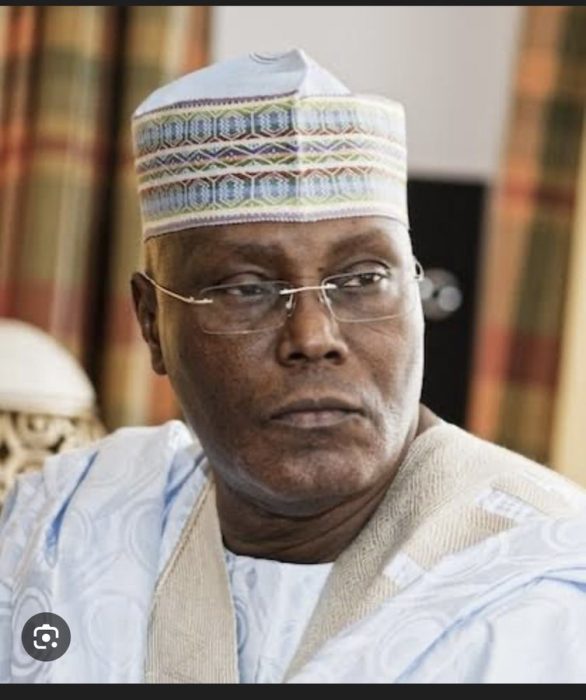
The tragedy, confirmed by former Vice President Atiku Abubakar, has triggered a firestorm of criticism from Nigerians who are increasingly tired of what they describe as “hollow” condolences from the political class.
While Atiku expressed being “deeply moved” by the killings, many citizens took to social media to accuse him and other leaders of playing politics with human lives.
In a statement released via his official X (formerly Twitter) handle, Atiku Abubakar called for a “radical overhaul” of security strategies.
“The attack not only highlights the worsening insecurity in the country but also deepens the North-East crisis,” Atiku stated. “I urge the authorities to redouble their efforts to address this menace and ensure that perpetrators are brought to justice.”
However, the response from the public, which securitynewsalert.com observed on X-Space, was swift and biting.
Commentators were quick to point out a perceived disconnect between the former Vice President’s words and his political history.
Kufre Koffi argued that Atiku’s words ring completely hollow in the face of Nigerians, calling it pure hypocrisy from an architect who helped build the current political landscape.
Koffi suggested it is time for the former Vice President to own up to past mistakes rather than sending tweets from afar.
Another user, Stanley Ade, dismissed the statement as a repetitive script, comparing it to a 2023 campaign jingle still being played in 2026. He noted that Nigerians have heard the “heart bleeds” narrative every time Boko Haram or other gunmen turn a market into a shooting range.
A significant portion of the anger was directed at the timing of the attacks, which coincided with reports of high-profile political defections in the state.
Many accused Governor Ahmadu Fintiri and other leaders of prioritising “party jumping” over the lives of their constituents.
Edward Okohedward remarked that the Governor appears busy decamping to the APC, prioritising political frivolities over the importance of human life.
This sentiment was echoed by many who feel governance has been abandoned for the next political cycle.
Christ Beloved, an observer on X, warned that insecurity in Adamawa is too serious to be reduced to political timing, noting that when leaders speak, they must ensure their words are not perceived as mere reactions to shifting alliances.
The massacre has reignited a debate over the long-term failure of Nigeria’s leadership to curb insurgency. Critics reminded Atiku that the seeds of the current crisis have been present for decades, spanning back to his time in high office.
Alli Olabisi questioned what the former Vice President has actually done with his position and power to end the insurgency that began 20 years ago. Similarly, Kolade Owolabi stated that political handlers should be ashamed of the “routine” of expressing sadness without action, suggesting that the leadership of the past failed to curb insecurity in hindsight.
As the families in Madagali and Hong bury their dead, the message from the Nigerian public is clear: they are tired of hashtags and press releases.
The account Everything Politics captured the national mood by asking when the country will stop counting victims and start holding leaders accountable, noting that every week brings new numbers, new headlines, and the same empty condolences.