

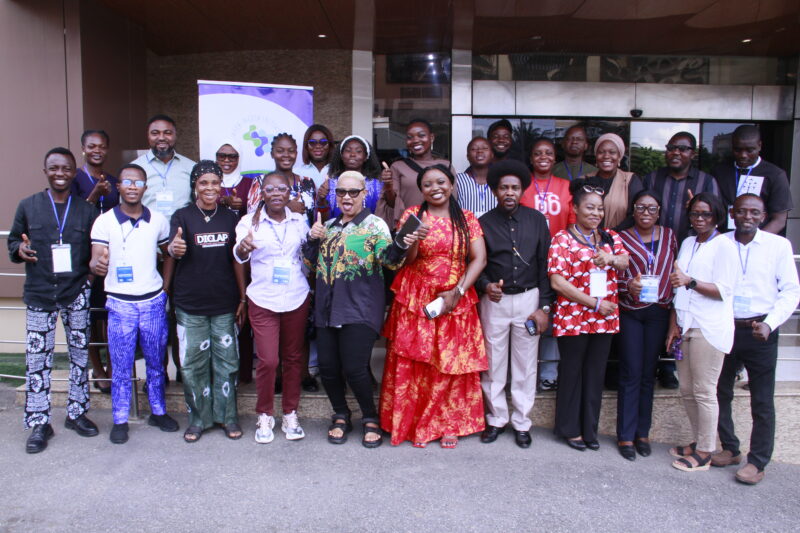

The Safer-Media Initiative hosted a specialised training workshop for journalists in Lagos State on Wednesday, March 18, 2026.
Held at the Pearlwort Hotel in Ikeja, the session equipped participants with the technical skills and ethical frameworks necessary to integrate Artificial Intelligence (AI) into their editorial workflows effectively.
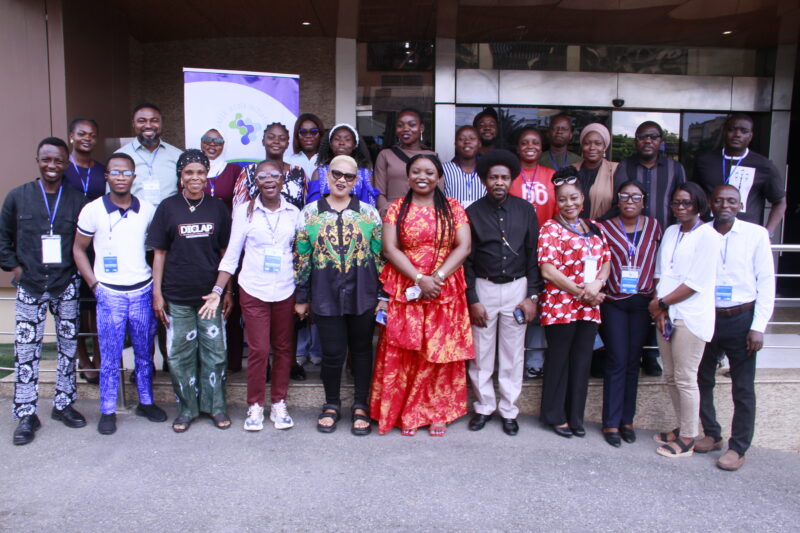
Welcoming the attendees, the Executive Director of the Safer-Media Initiative, Mr Peter Ioter, noted that the high volume of applications reflected overwhelming interest in the intersection of journalism and technology.
He emphasised that the training was not merely about adopting new gadgets, but about understanding how technological shifts are disrupting the fundamental processes of sourcing, processing, and distributing news.
According to Ioter, AI is a key force reshaping the media landscape, requiring even traditional outlets to adapt to remain relevant.
While highlighting the opportunities AI provides for gathering and verifying news, Ioter stressed the heightened expectation for responsibility.
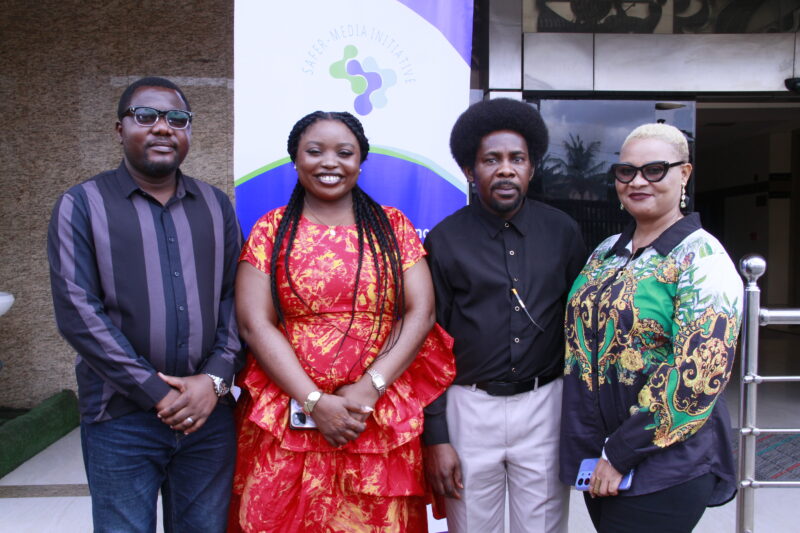
He shared findings from a recent survey conducted under the “Artificial Intelligence and Media (AIM) Project,” supported by UNESCO’s International Programme for the Development of Communications.
The data revealed a significant knowledge gap: while 95% of journalists use AI tools weekly, 85% are only familiar with ChatGPT, and only 10% reported receiving formal training from their newsrooms.
Ioter addressed the widespread fear of job displacement, asserting that while AI will not eliminate journalism, journalists who fail to adopt the technology risk being replaced by those who do.
He argued that AI should be used to strengthen accuracy and public safety rather than distorting the truth.

Ms Titilope Fadare Oparinde, Founder of Generative AI Journalism, led sessions on the effective and safe use of these tools.
She echoed the sentiment that the future of the profession lies in the hands of those willing to learn.
She noted that while AI is already embedded in workflows through transcription, audio cleaning, and content summarisation, speed must never replace human verification.
Oparinde issued a stern warning regarding data privacy, advising journalists never to upload sensitive materials, such as confidential transcripts or leaked documents, into public AI tools, as this data can be used to train future systems.
She also cautioned against “AI hallucinations,” where systems produce fabricated quotes or statistics. To combat this, she advocated for a culture of transparency, including the labelling of AI-generated images and maintaining human oversight for all final outputs.
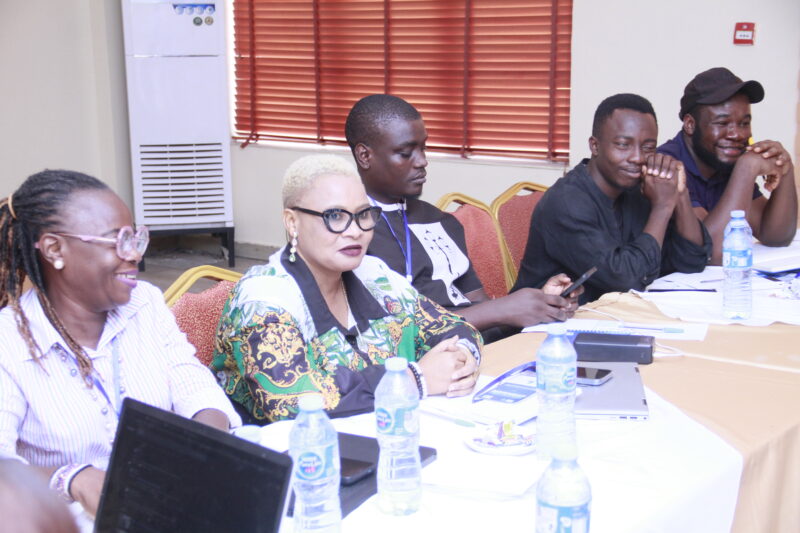 The workshop concluded with a practical overview of various AI tools, highlighting their specific strengths for newsroom optimisation.
Upon completion, participants will receive digital certificates of participation to recognise their commitment to responsible innovation in the digital age. #Securitynewsalert.com