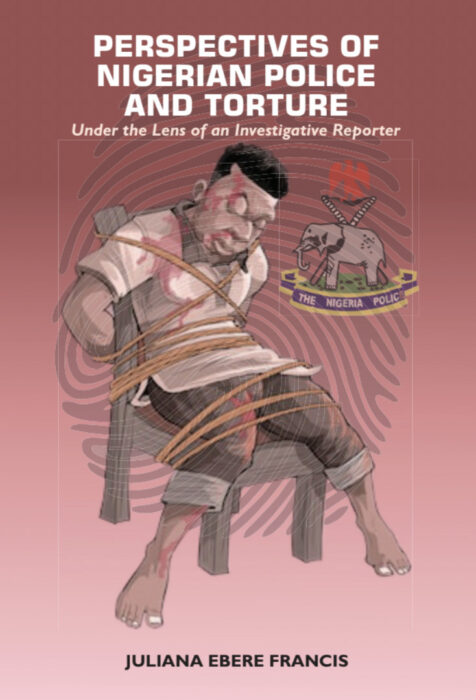


A story Nigerians need to hear.
You were rushed to the emergency ward.
Drip on your hand. Oxygen on your nose.
The doctor is trying to save your life.
Then — GBAM — two policemen walk in.
“Oga, you are under arrêst.”
The nurse is confused.
Your family is screaming.
You yourself cannot even sit up.
Can they do that?? IS THAT LEGAL??
HERE IS WHAT THE LAW SAYS:
The Administration of Criminal Justice Act (ACJA) 2015 — the same law that governs arrest, detention and prosecution in Nigeria is silent on any automatic immunity from arrest simply because you are in a hospital.
In other words:
A hospital bed is NOT a sanctuary from arrest in Nigerian law.
The police CAN, in law, arrest a suspect receiving medical treatment.
BUT — and this is the law that protects you
YOUR CONSTITUTIONAL RIGHTS DO NOT GO ON DRIP WITH YOU:
Section 34(1)(a), 1999 Constitution (as amended) — Every person has the right to the dignity of the human person. No one shall be subjected to torture, inhuman or degrading treatment.
Dràgging a critically ill patient off a hospital bed in a manner that endangers their life? That is degràding treatment.
That is unconstitutional.
Section 35, 1999 Constitution — Your right to personal liberty includes the right to be told WHY you are being arrested.
A patient sedated or unconscious cannot be meaningfully informed of their rights. Any arrest in such circumstances is procedurally compromised.
Section 8, Nigeria Police Act 2021 — The Police shall act with humanity and respect for human rights in the discharge of their duties. “Humanity” does not look like handcuffing a man on oxygen.
Section 27, ACJA 2015 — A suspect who is ill and requires medical attention shall be granted access to medical care. If they can mandate care for suspects already in custody, common sense and constitutional dignity demand that an ongoing medical emergency be respected BEFORE arrêst.
SO WHAT IS THE ACTUAL POSITION?
A. Police CAN arrest inside a hospital — the law does not forbid it outright.
B. BUT the manner of arrest must not endanger the patient’s life or violate their dignity.
C. A reasonable, humane police officer should wait until the patient is medically stable, because if the person dies as a result of a forceful, premature arrest, you are now looking at liability for the State.
D The doctor has a duty of care to that patient. A responsible doctor can formally communicate to the police that the patient is in a critical condition and removal would be life-threatening. This is not an obstruction — it is medical ethics meeting constitutional rights.
E. If police forcefully remove a critically ill patient against medical advice and that patient dies, the family has grounds for:
Fundamental rights enforcement under Order II, Fundamental Rights (Enforcement Procedure) Rules 2009
Possible civil action against the police for wrongful conduct
WHAT YOU SHOULD DO IF THIS HAPPENS TO YOUR LOVED ONE:
 Stay calm — do not physically obstruct the police (that is a separate offence).Ask the police for their names, rank, and station — write it down immediately. Get the doctor to document in writing that the patient is critically ill and removal is life-threatening. Call a lawyer immediately to file for fundamental rights enforcement. Contact the NBA Human Rights Committee or the Public Defender’s office in your state.
A hospital is a place of healing.
The Constitution is the supreme law of the land.
When both are in the room — handle with care.
The law does not prescribe Panadol for emotions. Law is Emotionless.
#EmmanuellaSpeaks #KnowTheLaw