


The Inspector-General of Police, Olatunji Disu, visited the Imo State Police Command on 24 September to review security operations and call for discipline, intelligence-led policing and stronger community engagement, but the visit has drawn calls from a civil society group for greater transparency on long-standing accountability concerns, including the disbanded “Tiger Base” anti-kidnapping unit.
The Rule of Law and Accountability Advocacy Centre (RULAAC) said in a statement that while the IGP’s commitments to professionalism and community partnership were welcome, Imo State remained a particularly important test of whether such principles translate into practice.
In May 2026, the Imo State Commissioner of Police disbanded the Anti-Kidnapping Unit known as Tiger Base, along with other tactical formations, replacing them with the Violent Crime Response Unit (VCRU). RULAAC said the move was an important institutional step but insufficient on its own.
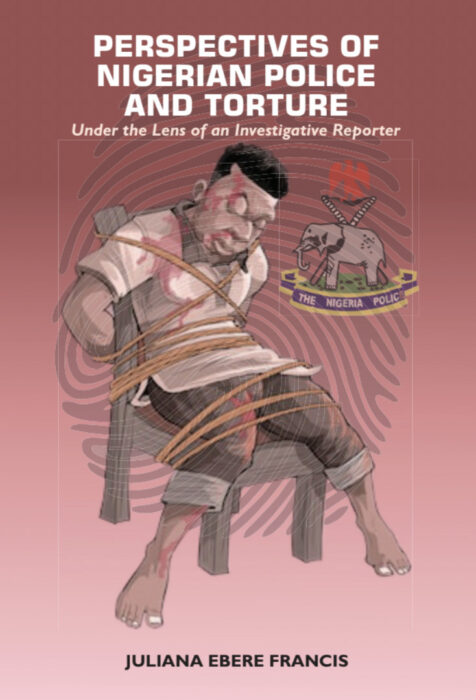
The group said serious allegations against personnel linked to Tiger Base, including unlawful arrest and detention, torture, extortion and enforced disappearances, must be independently investigated regardless of the unit’s disbandment. It called on police to disclose the status of outstanding complaints and outline safeguards to prevent the VCRU from replicating past abuses.
RULAAC also raised concerns about the treatment of students and young people around the Nekede-Ihiagwa-FUTO axis, saying it had received complaints of harassment, profiling and extortion by some police personnel in the area, even as residents face genuine threats from kidnapping and violent crime.
The group argued that combating crime and respecting students’ rights were not mutually exclusive, and urged intelligence-led policing over indiscriminate profiling and arbitrary searches.
More broadly, RULAAC cautioned that efforts to confront armed crime in Imo and the South-East should not be used to justify restricting civic freedoms, warning that security operations must distinguish criminal actors from journalists, human rights defenders and peaceful citizens.
The IGP’s visit followed a closed-door accountability dialogue on civic space held in Owerri on 23 September, convened by RULAAC alongside the Virgin Heart Foundation, Vivacious Development Initiative and the Action Group on Free Civic Space, with support from the Fund for Global Human Rights. The event was part of a 12-month regional project spanning Abia, Imo, Anambra, Enugu and Ebonyi states. The Abia State Police Command took part in the dialogue, represented by its Public Relations Officer, DSP Maureen Chioma Chinaka, who sat on a panel addressing security, civic freedom and accountability.
The Command later described the engagement as an opportunity to strengthen trust and accountability in security operations; language RULAAC noted closely mirrored the IGP’s message in Owerri the following day.
A separate police-youth dialogue was also held in Anambra State, organised by the African Youths Initiative on Crime Prevention (AYICRIP) at Nnamdi Azikiwe University, Awka, bringing students together with senior Anambra police officials to discuss police brutality and youth profiling.
RULAAC outlined a series of measures it said could translate stated commitments into measurable change. These include a transparent review of outstanding Tiger Base-related allegations, disclosure of investigation outcomes within lawful limits, stronger oversight of the VCRU and other tactical units, and investigation of harassment and extortion complaints near FUTO.
The group also called for sustained operations against kidnapping and organised crime, accessible complaint and remedy mechanisms for citizens, structured and monitored police-community dialogues across the South-East, and safeguards to prevent security operations from restricting civic space.
The group said police reform would ultimately be judged not by unit disbandments or the number of stakeholder meetings, but by measurable outcomes: declining abuses, investigated complaints, accountable officers, disrupted criminal networks and citizens able to encounter the police without fear.