
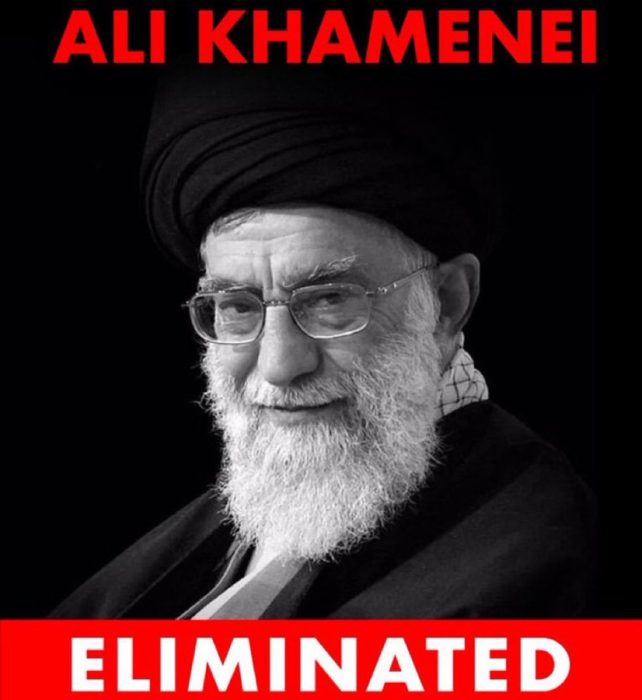

Groups of Nigerian Muslims in northern states staged demonstrations declaring support for Iran following reports of the death of Iran’s Supreme Leader, Ayatollah Ali Khamenei, allegedly in U.S. and Israeli strikes.
Protesters carried portraits of Khamenei and Iranian flags, while dragging American and Israeli flags along the ground.
The demonstrations have ignited heated debate across Nigeria, with many citizens questioning the priorities of those involved.
One viral post from Gossip Mill Nigeria read: “Breaking News: ‘We Nigerians Support and Stand with Iran’ – Nigerian Muslims troop out in mass to protest against USA and Israel over the killing of Iran’s Supreme leader Ayatollah Ali Khamenei.”
Critics quickly pushed back. A clergyman, @Bellowalterz, asked bluntly: “Which Nigerians? Northern touts you mean? Ask them what is happening now, and they will tell you they don’t know. Jobless people. These illiterates are the ones giving bad names to Nigeria.”
Others expressed frustration that such energy was not directed toward domestic crises. @kingsuleiman27 wrote: “They didn’t troop out in mass to protest the mass killings in Nigeria, but they are seriously protesting for Iran. You can’t make this shit up. Nigerians deserve the leaders they have and whatever is going on in that country.”
Similarly, @MrWashington_20 criticised the protesters for ignoring violence at home: “Since dem dey bomb Northern states, kpaing and unleashing terror on the people living there, una never protest, but as e reach Iran and its people wey nor sabi una, all of una don troop out in mass to protest. My brothers in the northern part of Nigeria receive sense.”
The backlash highlighted a recurring theme: misplaced priorities. @ERINFOLAMI2024 listed tragedies such as the Owo church massacre, killings in Southern Kaduna, and the burning of Deborah Samuel, lamenting: “You did not protest after these killings… But now you’re standing with Iran. May thunder fire you.”
Other Nigerians worried about international repercussions. @ojembaenweilo warned: “Make sure you guys don’t go close to any US consulate, else na die.”
Meanwhile, @ReformerOluseun suggested: “I think they should be sent to Iran so they can support them physically. They can’t really do much here.”
The protests have also drawn attention to perceived double standards in governance. @okoidennis remarked: “So our Muslim people can march for foreign causes like this, but won’t lift a finger for their own country? And the government won’t touch them, nor tear gas, nothing, but let citizens demand their rights, and you will see all the forces appear instantly.”
Nigeria has faced years of insecurity, with insurgent attacks, kidnappings, and communal violence claiming thousands of lives.
Yet, many Nigerians feel that domestic tragedies rarely inspire mass mobilisation.
The protests for Iran raise questions about identity, loyalty, and the role of religion in political expression.
As @CryptoMoonSh0ts summarised: “There have been protests by some groups in northern Nigeria showing solidarity with Iran, but this doesn’t represent all Nigerians. Context matters.”