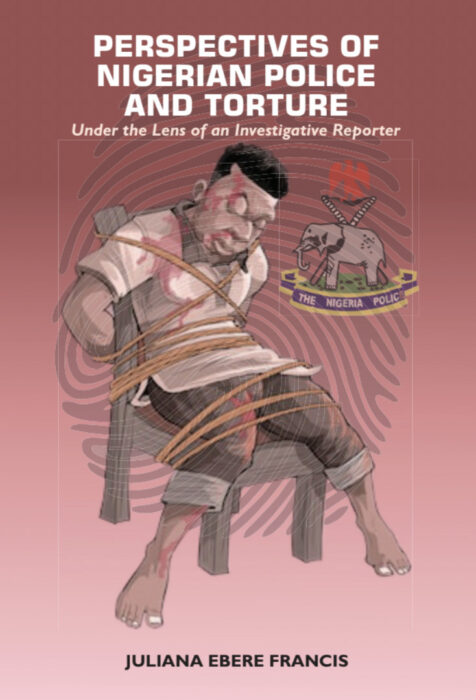


The recent statement by the Imo State Police Command denying allegations that the Anti-Kidnapping Unit, popularly known as Tiger Base, operates as a “slaughterhouse” follows a familiar pattern: blanket denial, self-commendation, and warnings to critics, without addressing the substantive issues raised.
No serious critic claims that Tiger Base is an illegal police formation. The concern has never been about nomenclature or mandate. The problem is about how that mandate is exercised, the methods deployed, and the pattern of abuses repeatedly reported by victims, families, civil society organisations, journalists, and even judicial processes.
Dismissing grave allegations of torture, enforced disappearances, and extrajudicial killings as “unfounded” or as a “smear campaign by criminal elements” does not make them disappear. Denial is not investigation, and press statements are not substitutes for independent scrutiny.
It is important to recall that allegations of abuse at Tiger Base did not originate from social media alone. They have featured in victims’ testimonies, media investigations, petitions to oversight bodies, and judgments of regional courts, including findings that violations occurred long before recent command changes.
The police claim that “all suspects are handled in line with the law” sits uneasily with consistent reports of torture during interrogation, detention without access to lawyers or families, deaths in custody without transparent inquests, and, as recently highlighted, systematic abuse of recovered property, including vehicles allegedly converted for personal use, repainted to conceal identity, and stripped of original registration details.
If Tiger Base is indeed operating transparently, then independent verification – not internal assurances – is the answer.
The announcement of a Human Rights Desk within the unit, while welcome in principle, raises further questions. A human rights desk embedded inside the same unit accused of abuses, staffed by officers answerable to the same command structure, cannot substitute for external oversight. Human rights desks do not investigate homicide, torture, or corruption; independent bodies do.
Equally troubling is the resort to the warnings under the Cybercrime Act against critics. Threatening citizens with prosecution for raising allegations of abuse risks chilling legitimate whistleblowing and reinforces public suspicion rather than trust. Democratic policing thrives on scrutiny, not intimidation.
The appropriate response to these allegations is not defensiveness, but openness:
– An independent investigation into Tiger Base’s operations, past and present;
– Forensic audits of recovered property and custody records;
– Public inquests into deaths linked to the unit;
– And accountability for any officer, regardless of rank, found to have violated the law.
The Nigerian Police Force is correct that it is a national institution. Precisely for that reason, it must demonstrate that no unit, no commander, and no operation is above the law.
Until credible, independent investigations are conducted, and their findings made public, official denials – however strongly worded – will remain unpersuasive. What Nigerians demand is not reassurance, but truth, accountability, and reform.