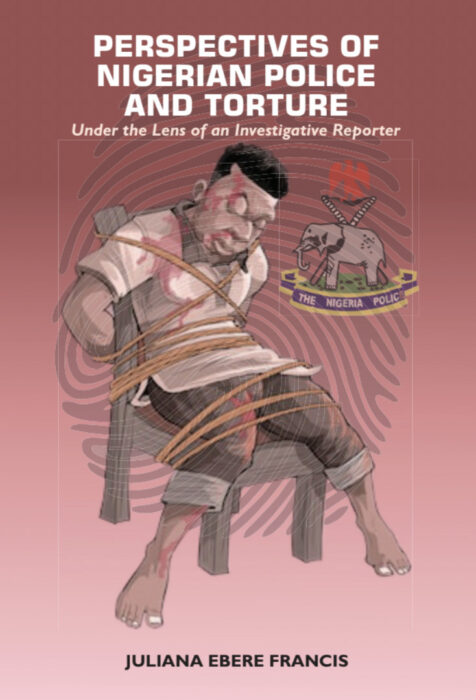


*Executive Summary*
This report presents findings from an extensive investigation into the operations of the Anti-Kidnapping Unit of the Imo State Police Command, commonly known as Tiger Base. Drawing on survivor testimonies, documentary evidence, Freedom of Information (FoI) requests, legal expert analysis, and prior research, the report exposes a consistent pattern of grave human rights violations.
The investigation finds that operatives of Tiger Base are implicated in widespread arbitrary arrests, prolonged unlawful detention, torture, extortion, enforced disappearances, and extrajudicial killings. These violations are not isolated incidents but reflect a systemic pattern sustained by weak oversight, institutional complicity, and entrenched corruption.
A particularly disturbing trend is the weaponisation of IPOB/ESN allegations to justify arrests and extort money from detainees and their families. Victims are often profiled based on appearance or location, detained without evidence, and coerced into paying large sums for release.
Official responses to allegations – including those obtained through FoI requests – are marked by denials, inconsistencies, and lack of transparency, further undermining public trust.
The report concludes that the situation at Tiger Base represents a serious breakdown of the rule of law and calls for urgent, independent investigation, accountability, and structural reform.
*Key Findings*
1. *Systematic Violations of Legal and Human Rights Standards*
– Routine breach of constitutional safeguards on personal liberty
– Widespread use of torture in violation of the Anti-Torture Act 2017
– Persistent unlawful detention without charge or court order
– Regular practice of arrest in lieu, contrary to the ACJA
2. *Institutionalised Extortion and Criminalisation of Civil Matters*
– Bail routinely monetised, with demands ranging from ₦200,000 to ₦800,000 or more
– Police involvement in civil disputes (land, tenancy, debt recovery) for financial gain
– Victims compelled to pay even after being declared innocent or “arrested in error”
3. *Weaponisation of Security Allegations*
– Arbitrary labelling of individuals as IPOB/ESN members
– Profiling based on physical appearance (e.g., body marks, dreadlocks)
– Use of security accusations to legitimise detention and extortion
4. *Torture, Deaths in Custody, and Enforced Disappearances*
– Evidence of torture to extract confessions
– Reports of detainees dying in custody under inhumane conditions
– Denial of custody and concealment of detainees from families
– Allegations of bodies deposited in morgues without proper documentation
5. *Lack of Transparency and Contradictory Official Responses*
– FoI responses denying allegations despite substantial evidence
– Inconsistencies in official records, including conflicting accounts of detainee deaths
– Failure of key institutions to respond meaningfully to accountability inquiries
6. *Climate of Fear and Suppression of Complaints*
– Victims and witnesses are reluctant to speak due to fear of retaliation
– Human rights defenders operating under significant risk
– Coercion of victims to deny extortion or abuse
7. *Failure of Oversight and Accountability Mechanisms*
– Ineffectiveness of the Police Service Commission
– Lack of disciplinary action against implicated officers
– Redeployment rather than sanctioning of offenders
– Allegations of political interference and protection
– Detailed Findings and Analysis
– Contravention of Extant Laws
The conduct of Tiger Base operatives violates multiple provisions of Nigerian law, including the Constitution, the Anti-Torture Act 2017, the Administration of Criminal Justice Act (ACJA) 2015, the Criminal Code Act, and the Police Act 2020.
Legal authorities affirm that extrajudicial killings by police constitute murder under Nigerian law. Courts have condemned such practices, warning against law enforcement officers acting outside judicial processes.
Despite the existence of robust legal frameworks, enforcement remains weak, enabling widespread abuse.
*Patterns of Abuse and Corruption*
Evidence – including documented communications and case interventions – reveals a recurring pattern:
– Individuals arrested without warrants or credible suspicion
– Denied access to legal representation and family members
– Tortured to extract confessions
– Forced to pay for bail or release
These practices are not sporadic but appear institutionalised, with limited internal accountability.
*FoI Findings and Institutional Contradictions*
FoI responses from the police deny all allegations but contain significant inconsistencies, including contradictory accounts of detainee deaths.
Other institutions, including correctional and medical authorities, either deny knowledge or fail to provide substantive responses, raising concerns about systemic opacity and possible complicity.
*Survivor Testimonies and Eyewitness Accounts*
Accounts from survivors and witnesses describe:
– Overcrowded detention cells and inhumane conditions
– Starvation and denial of medical care
– Repeated deaths within detention facilities
– Concealment of detainees and misleading information to families
These testimonies reinforce the pattern of abuse and provide critical insight into lived experiences within Tiger Base.
*Systemic Failure and Impunity*
The persistence of these abuses reflects deeper structural issues:
– Weak oversight and ineffective accountability institutions
– Lack of consequences for misconduct
– Possible political interference
– A culture of impunity within law enforcement
Without systemic reform, these conditions will continue to enable violations.
*Recommendations*
*To the Inspector-General of Police (IGP)*
– Order an independent, transparent investigation into the operations of Tiger Base
– Immediately suspend and investigate officers implicated in human rights violations
– Establish a special investigative panel with civil society participation
– Enforce strict compliance with the Anti-Torture Act and ACJA
*To the Police Service Commission (PSC)*
– Initiate disciplinary proceedings against identified officers
– Strengthen oversight mechanisms and ensure a timely response to complaints
– Publish outcomes of investigations to enhance transparency
*To the National Human Rights Commission (NHRC)*
– Conduct an independent public inquiry into abuses at Tiger Base
– Expand monitoring of detention facilities in the Southeast
– Ensure protection of victims and witnesses
*To the Imo State Government*
– Refrain from any interference in police operations
– Support independent investigations and accountability processes
– Ensure protection of residents from unlawful security practices
*To the National Assembly*
– Strengthen oversight of law enforcement agencies
– Ensure effective implementation of existing human rights laws
– Provide funding for independent monitoring mechanisms
*To the Judiciary*
– Enforce safeguards against unlawful detention
– Sanction violations of court orders and due process
– Strengthen oversight of remand and detention procedures
*To International Partners and Donors*
– Support initiatives promoting police accountability and reform
– Fund independent monitoring, documentation, and legal aid programmes
– Condition security sector support on measurable human rights compliance
*To Civil Society Organisations*
– Strengthen documentation and reporting of abuses
– Provide legal support to victims
– Advocate for sustained reform and accountability
*Conclusion*
The situation at Tiger Base Police reflects a profound crisis in policing, accountability, and the rule of law in Nigeria. The patterns of abuse documented – arbitrary arrests, torture, extortion, enforced disappearances, and extrajudicial killings – are systemic and deeply entrenched.
Addressing these violations requires urgent, coordinated, and sustained action by state institutions, oversight bodies, civil society, and international partners.
Without accountability, the cycle of abuse will persist, further eroding public trust and undermining justice and security.