

By Okechukwu Nwanguma
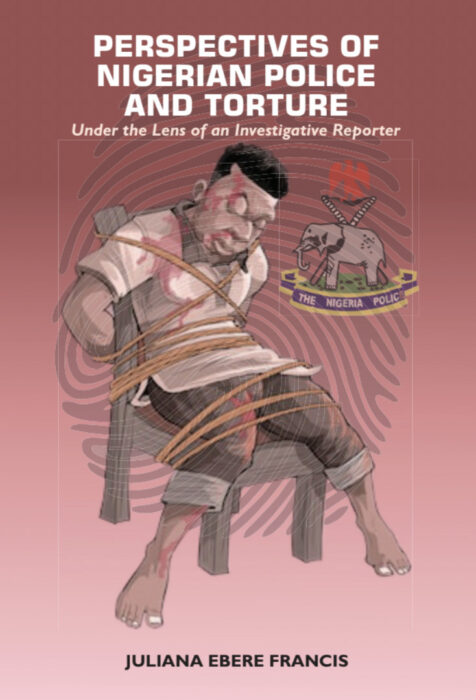
In Nigeria today, one of the most devastating tools of police abuse is the deliberate use of framed or trumped-up charges. It is a weapon of fear, intimidation, and extortion—deployed not in pursuit of justice, but as a means of raising the stakes in an elaborate system of corruption and impunity.
When ordinary Nigerians encounter the police, especially in contentious situations, they often discover that they are not facing a professional institution mandated to serve and protect. Instead, they are up against an establishment that has perfected the art of weaponising the law itself against the very citizens it is meant to safeguard.
*The Mechanics of Framed Charges*
The pattern is painfully familiar. A person is accused—sometimes falsely, sometimes for trivial infractions—and then suddenly finds themselves facing a barrage of serious allegations: armed robbery, cultism, kidnapping, terrorism, or membership of proscribed groups such as IPOB. These charges are rarely grounded in evidence. They are manufactured to instill fear, disorient the accused, and make them pliable to extortion.
The logic is simple: the higher the gravity of the allegation, the higher the stakes for the victim. Facing a possible death penalty for armed robbery or a life sentence under terrorism laws, most victims or their families are desperate to secure release at any cost. The police understand this desperation and exploit it ruthlessly, demanding exorbitant sums of money to “settle” the matter or make the charges disappear.
*A Marketplace of Injustice*
What makes the situation even more sinister is that the police do not always act alone. Often, they are acting on behalf of private interests—individuals or groups who pay them to weaponise criminal charges as a means of settling personal, business, or political scores.
We have documented several cases where individuals with personal grievances—over land disputes, business rivalries, or political differences—recruited the police to act as enforcers. By labelling their adversaries as criminals or terrorists, they secure police backing to harass, detain, torture, and intimidate them into submission. The cost of freedom, once again, is extortion.
These are several stories illustrating recurring patterns replicated across the country.
*The Human Cost*
Beyond the immediate financial and emotional toll on victims, the long-term damage of framed charges is immeasurable. Families are shattered. Communities lose trust in the justice system. Innocent people are branded criminals for life, their names permanently tainted by allegations that were never tested in court.
The spread of such abuse also corrodes society’s belief in the rule of law. When people know that the police can manufacture charges at will, respect for legal institutions diminishes. The gap between citizens and law enforcement widens, breeding alienation, resentment, and in some cases, violent resistance.
*Why Framed Charges Thrive*
Several factors sustain this practice:
1. Weak Oversight and Accountability – Police officers who fabricate charges and torture suspects are rarely punished. Internal disciplinary mechanisms are opaque and ineffective.
2. Judicial Complicity – Some magistrates and judges rubber-stamp dubious charges without scrutiny, thereby legitimising police abuse. Cases are endlessly adjourned, leaving victims trapped in pre-trial detention.
3. Culture of Impunity – The police operate with the assumption that they can act with impunity, knowing that few officers are held accountable for abuses.
4. Poverty and Desperation – Families under duress often cave in to extortion demands rather than endure the uncertainty of a long, expensive court process.
*What Must Change*
To break this cycle, Nigeria must confront both the structural and cultural enablers of police abuse. Several steps are urgent:
Independent Oversight: Strengthen external accountability bodies such as the Police Service Commission and the National Human Rights Commission, ensuring they have the resources and political backing to act decisively.
Judicial Scrutiny: Courts must play their constitutional role in filtering frivolous charges, insisting on credible evidence before remanding suspects.
Criminalisation of Framed Charges: Fabricating evidence or charges should itself be recognised as a criminal offence, with strict penalties for officers involved.
Protection for Victims: Victims of false charges should have avenues for redress, including compensation and public apologies to restore their dignity.
Civil Society Monitoring: Civil society organisations must continue to document, publicise, and litigate cases of framed charges, ensuring that such abuses are not buried in silence.
*Conclusion*
Framed charges are not just a personal tragedy for the victims; they are a national crisis that undermines the integrity of Nigeria’s criminal justice system. As long as the police are allowed to weaponise the law for extortion and score-settling, the promise of justice will remain elusive for ordinary Nigerians.
The time has come to say enough. Nigeria cannot afford a justice system where innocence is irrelevant, and freedom is a commodity to be bought. Real reform begins when we confront the ugly truth: that justice is being sold, and framed charges are the currency.
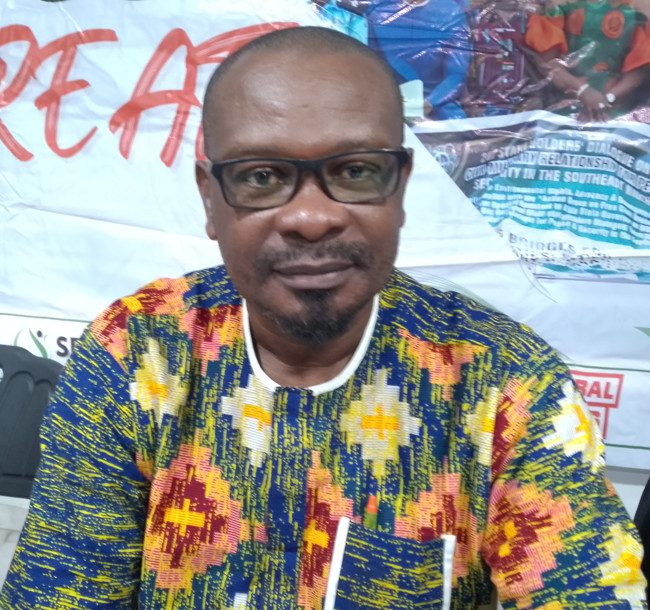
Mr Okechukwu Nwanguma is a human rights activist and Executive Director, Rule of Law Accountability and Advocacy Centre (RULAAC)