

Human rights organisation Amnesty International has raised an alarm over what it describes as a “reckless and unlawful crackdown” on freedom of expression in Kano State.
The group reports a rising tide of repression where the Department of State Services (DSS) is allegedly being weaponised to silence critics of Governor Abba Kabir Yusuf.
The crackdown, Securitynewsalert.com learned, has targeted a wide range of citizens, including a law student, social media influencers, and content creators.
According to Amnesty International Nigeria, these individuals are being subjected to abductions, “invitations” for questioning, and prolonged detentions aimed at creating a toxic climate of fear.
“The DSS is increasingly being used to harass and intimidate persons who criticise the governor,” the organisation stated in a blistering assessment of the situation. “It is perfectly within their right to criticise the President or the governor. No one is above criticism, no matter their status. Arresting critics is unacceptable in a free society.”
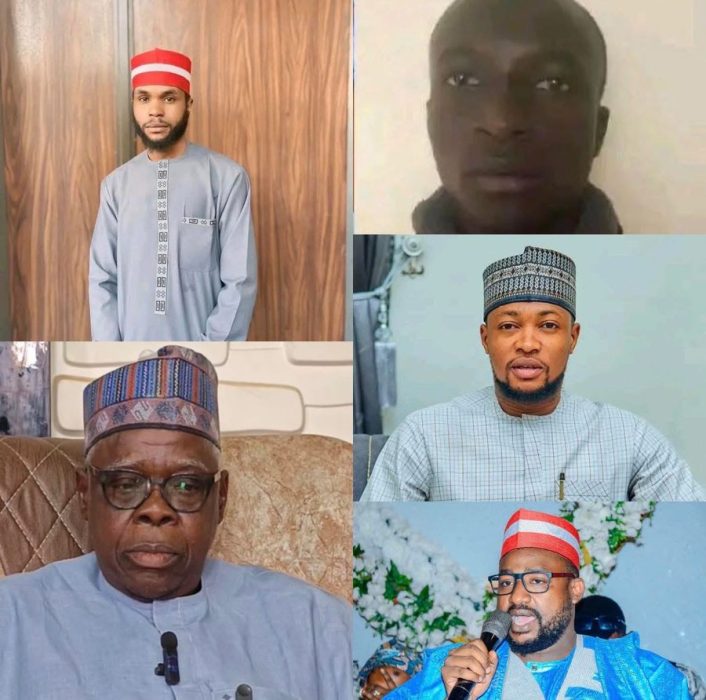
Among the most high-profile cases is that of Abba Ibrahim Hussain, a law student at Northwest University. Hussain was reportedly abducted from his residence on Sunday by armed DSS personnel for voicing dissent against the governor. He remains in custody, a situation that Amnesty warns puts his academic future in jeopardy. “He is still in detention and at the risk of missing ongoing exams,” the group noted, calling the detention “outrageous.”
The repression has also extended into the digital sphere. Aminu Warkal, a prominent social media influencer, was detained for five hours on allegations of “cyberbullying the governor,” while TikToker Saifullahi Abubakar was arrested for producing a satirical skit. Amnesty International defended the creative expression, asserting that “satirising those in authority is not a crime.”
Other documented cases include the intimidation of Samir Hanga and the arrest of Abdulmajid Danbilki Kwamanda. Kwamanda was reportedly held by the DSS two weeks ago and forced to withdraw his criticisms of Governor Yusuf as a condition of his release. Amnesty described these tactics as a “brazen abuse of power” designed to suffocate the civic space in Kano.
As social media becomes a primary tool for political commentary in Nigeria, the state government’s response has increasingly relied on the apparatus of national security to stifle local dissent. Amnesty International has called on the Nigerian authorities to immediately halt these reprisals and uphold their constitutional obligations.
“The Nigerian authorities must respect, protect, promote, and fulfil the right of everyone to freedom of expression,” the organisation concluded, emphasising that the current trajectory of intimidation is a direct threat to the democratic health of the nation.