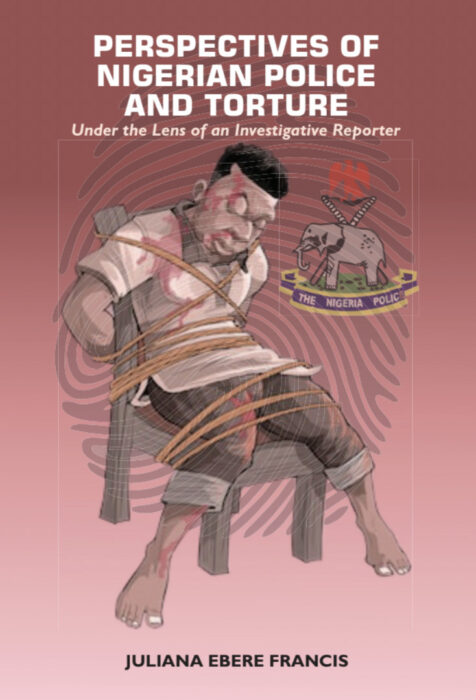


Comrade Emmanuel Acha, detained for seeking justice for his community, has finally been released after being incarcerated for over 200 days. He talks about his experiences.
| I stand before you today to share my harrowing experience of abduction, illegal detention, and the eventual triumph of justice that culminated in my discharge and acquittal from all charges. My story is not just about my personal ordeal but also a reflection of the ongoing challenges faced by human rights defenders in Nigeria. |
| First and foremost, I extend my sincere gratitude to the Action Group on Free Civic Space, Spaces for Change (S4C) Lagos, and the Fund for Global Human Rights (FGHR), whose unwavering solidarity, legal and media advocacy, and funding support have been instrumental throughout this ordeal. Your commitment to defending human rights and civic space in Nigeria is truly inspiring. I also want to express my profound gratitude to all those who stood by me—my family, friends, colleagues, and the civil society organisations that refused to let my voice be silenced. Your unwavering support has been a beacon of hope in these dark times. |
| This press conference aims to shed light on the dangers faced by civic activists, the implications of arbitrary detention, and the urgent need to protect civic space and human rights defenders against state-sponsored intimidation, harassment, and abuse. |
| On March 19th, 2025, around 5:30 am, while still enjoying my early morning sleep, I was unlawfully abducted from my residence in Enugu by a team of heavily armed unidentified security operatives. Without any prior notice or arrest warrant, I was whisked away and first taken to the Abakpa Area Command of the Nigeria Police Force, Enugu State. About 30 minutes later, I was handed over to another team of security operatives and forcefully ordered to enter a private vehicle with a team of 5 officers on mufti. I remembered asking one of the officers where I was taken to, and she replied that they were taking me to Abakaliki on the order of the state governor. I |
| endured the torture of being conveyed like a common criminal in handcuffs from My residence is in the Abakpa area command in Enugu, and then to the State Criminal Investigation Department (CID) in Abakaliki, Ebonyi State. The ordeal was traumatic and shocking, as I was subjected to incommunicado detention without any formal charges or warrant. |
| During my 2 days at the State CID, I was denied access to legal counsel and my family. The environment was hostile, and I was physically tortured and endured psychological trauma from the sudden loss of freedom and the uncertainty of my fate. This initial detention marked the beginning of a 273-day period of incarceration that would test my resilience and human rights. |
| Following my brief detention at the state CID, on the 21st of March 2025, I was taken to the Magistrate Court in Abakaliki without any legal representation, where they were tried up charges were concocted and pronounced against me, and the magistrate ordered my remand at the Abakaliki Custodial Centre (Abakaliki Prison) of the Nigeria Correctional Service. I spent 271 days there, facing inhumane conditions that starkly contravened basic human rights. |
| In the custodial centre, I experienced severe psychological distress, compounded by the unhealthy environment, unhygienic food, inadequate medical care, torture by both inmates and warders and hard labour assigned to inmates. The living conditions were deplorable, with overcrowding, poor sanitation, and a high prevalence of diseases such as malaria and respiratory infections. Many inmates, both convicted and awaiting trial, suffered in silence amid human rights violations by security officials who often used excessive force and denied inmates their dignity. I witnessed many preventable deaths by the inmates while I was there. |
| The custodial centre was a microcosm of Nigeria’s broader human rights challenges. Inmates were subjected to arbitrary searches, intimidation, and sometimes physical abuse. The state authorities flagrantly violated inmates’ rights, often ignoring medical needs and legal protections. The situation was worsened by the lack of transparency and accountability, and the lack of involvement of oversight agencies, making it difficult to seek redress. |
| Many fellow inmates were victims of prolonged detention without trial, underlining the systemic issues within Nigeria’s justice system; some trials have lasted 9-15 years without a court verdict, while the concerned inmates are subjected to a hopeless fate. I witnessed firsthand how the custodial centre perpetuates human rights abuses. |
| under the guise of law enforcement, threatening the civic space and the safety of civil rights defenders in their custody. |
| During this harrowing ordeal, I faced a trial that lasted nine months. The charges against me included promotion of inter-communal war, preparation and aiding in carrying on communal violence between the Ezza and Effium tribes, unlawful possession of firearms, and sponsoring killings. These allegations were clearly baseless and politically motivated. |
| The prosecution failed to provide admissible evidence. During cross-examination, The Investigative Police Officer (IPO) admitted under oath that no arms were recovered from me, and the witnesses invited by the prosecution—such as Dr James Agena, who is the President of the Effium Community Town Union, and his secretary Mr Amos Akpa and two others he recruited for the hatchet job failed to appear in court despite multiple invitations. The only evidence against me were hearsays, which the court rightly rejected. |
| On December 16th, 2025, the court discharged and acquitted me, citing a no-case-to-prove Submission led by Akaraiwe Ikeazor SAN. This victory was not just a personal triumph but a vindication of justice and the rule of law. However, it did not erase the trauma, losses, or the damage inflicted during my detention. |
| My incarceration inflicted severe psychological trauma—anxiety, depression, and a sense of helplessness. The inhumane conditions, coupled with the uncertainty and fear of losing my life, scarred me deeply. |
| Economically, the long detention deprived me of my office work and civil society engagements. I lost opportunities, income, and reputation. The prolonged absence from my activism work also meant that communities, especially my advocacy efforts for civic space, suffered setbacks. My family bore emotional and financial burdens, facing stigma and hardship due to my detention. My detention resulted in the loss of my family accommodation, where I kept them for safety, and accumulated rents (office and house accommodations, etc.). |
| Despite the court’s ruling, I have yet to receive any form of compensation or redress for these losses, which underscores the need for systemic reforms to protect victims of wrongful detention. |
| My experience underscores critical lessons for Nigeria’s civic space and human rights defenders. It exposes how state security agencies often misuse their powers to |
| intimidate and silence activists, especially those advocating for marginalised communities. |
| It highlights the urgent need to strengthen legal protections, ensure accountability, and uphold the rights of detainees. The abuse of the justice system to justify arbitrary detention undermines our democracy and civic space, threatening the very foundation of Nigeria’s constitutional democracy. |
| Furthermore, it emphasises the importance of solidarity among civil society groups and the role of advocacy and media in amplifying victims’ voices, fighting impunity, and safeguarding civic rights. |
| My detention profoundly affected my family and loved ones. My children, wife, and relatives endured emotional pain and social stigma. The economic strain was significant, as resources were diverted to legal costs and healthcare. |
| Although I have been discharged and acquitted, the threat to my safety and that of my family persists. The risks of reprisal, harassment, or targeted violence remain high, especially for activists who challenge powerful interests. Civil society organisations and other stakeholders must work together to ensure the protection and security of human rights defenders like myself. This includes providing protective mechanisms, legal safeguards, asylum and psychosocial support to survivors of persecution and their dependents. |
| We must recognise that true justice extends beyond court rulings; it requires active measures to guarantee the safety and dignity of those who stand up for civic rights. |
| In the civil society arena, my experience reflects the broader plight of human rights defenders in Nigeria. It reveals how activists are targeted, criminalized and how civic space is under threat from oppressive security policies. It is a stark reminder that our collective efforts must continue to defend human rights, promote justice, and resist authoritarian tendencies. |
| While I am grateful for my court victory, justice is incomplete without proper redress. I call on the Nigerian government and relevant authorities to compensate victims of wrongful detention, including myself, for the material and emotional losses incurred. This will serve as a deterrent against future abuses and reinforce respect for human rights. |
| I also appeal for continued support for the Effium Rescue Mission Group, a community-based organisation determined to use a human rights-based approach, |
| litigation and advocacy to demand justice for their people. Their resilience exemplifies the importance of grassroots activism in defending human rights. |
| In conclusion, I want to reaffirm my commitment to the fight for civic space, justice, and human rights in Nigeria. My experience, though painful, has strengthened my resolve to advocate for a Nigeria where civic freedoms are protected and human rights are upheld without fear or favour. |
| I extend my heartfelt appreciation to all civil society organisations, media partners, and international allies who have stood by me through this ordeal. Your solidarity fuels our collective struggle for justice and dignity. At this juncture, I won’t fail to recognise the special role played by Madam Victoria Ibezim-Ohaeri, Comrade Nelson Nnanna Nwafor, Okechukwu Nwanguma, Mr James Ugochukwu, Onyinyechukwu Mamah, the legal and civic space teams of the Spaces for Change (S4C) and indeed members of the Action Group on Free Civic Space and many others who matched their voices with action to ensure my freedom and justice, while in detention. |
| We will continue to work together to build a Country where the rights of every citizen are respected, protected, and fulfilled. Thank you all for your attention and support. |
| Comrade Emmanuel Acha Human Rights Activist Enugu, Nigeria |