

The Rule of Law and Accountability Advocacy Centre (RULAAC) has appealed to the Inspector-General of Police, Olatunji Disu, to review the dismissal and ongoing prosecution of a police officer, Inspector Adenusi Adebisi, citing concerns over due process, fairness, and human rights violations.
In a letter dated April 1, 2026, and addressed to the leadership of the Nigeria Police Force, the Executive Director of RULAAC, Okechukwu Nwanguma, disclosed that the organisation was acting on behalf of the officer, identified with AP/No. 325715.
“This case raises serious concerns regarding due process, proportionality of punishment, and respect for the fundamental rights of a serving officer,” the letter stated.
According to Nwanguma, Inspector Adebisi, who joined the Force in May 2002 and served in Oyo, Lagos, and Ekiti State Commands, was dismissed following a WhatsApp comment made on June 18, 2025, during a discussion among police personnel about welfare challenges.
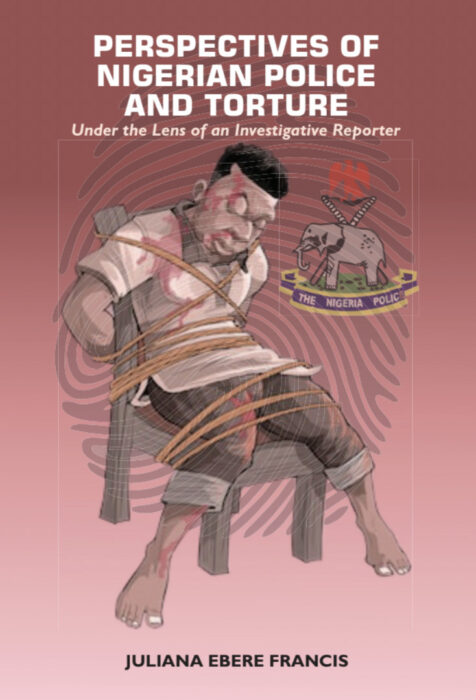
The organisation explained that the comment, “made in a moment of frustration,” was later deleted by the officer. Despite this, he was allegedly arrested, transported to Abuja under restraint, detained for about 85 days before being arraigned, and subjected to physical abuse while in custody.
It added that he faced an orderly room trial that resulted in his dismissal, while other officers involved received lighter sanctions.
The group also pointed to developments in court, noting that during proceedings on March 31, 2026, “the prosecuting police counsel reportedly admitted to fundamental errors in the initial charges filed against Inspector Adebisi.”
RULAAC outlined several issues, including what it described as disproportionate punishment, stating that “while other officers involved in the same incident received warnings or a reduction in rank, Inspector Adebisi was singled out for dismissal,” raising concerns about fairness and possible scapegoating.
The group also highlighted alleged violations of due process, including prolonged detention before arraignment, claims that statements were obtained under pressure, and concerns about a lack of access to legal representation at critical stages.
On the issue of evidence, RULAAC argued that the alleged confessional statement used in the case was legally inadmissible. “The statement was not recorded electronically and was obtained in the absence of legal representation or any qualified witness as required by law,” the letter stated, adding that this violated provisions of the Administration of Criminal Justice Act (ACJA) 2015.
The organisation further raised alarm over reports of physical abuse during detention. “If substantiated, [these] constitute serious violations of Nigerian law and international human rights obligations,” it said.
RULAAC called for an independent and impartial review of the disciplinary process and urged authorities to reconsider the dismissal.
It asked the police authorities to set aside the dismissal and consider reinstatement or a lesser sanction, investigate allegations of ill-treatment, and discontinue the ongoing prosecution due to what it described as “legal and procedural deficiencies.”
“The ongoing prosecution risks a miscarriage of justice,” the organisation warned.
RULAAC said the case presents an opportunity to strengthen confidence in the police system.
“This case presents an important opportunity to reinforce confidence within the Nigeria Police Force that discipline is administered with fairness, humanity, and adherence to the rule of law,” said Nwanguma.
He added that Inspector Adebisi’s “long years of service, personal sacrifices, and the surrounding circumstances warrant a compassionate and just reconsideration.”