

By Dr Lucas B. Koyejo
Why is accountability important in Policing?
The answer is not farfetched. The police are entrusted with enormous powers that border on the limitation of human rights in circumstances where laws are violated.
The popular saying that power corrupts and absolute power corrupts absolutely is apt to describe what happens when power is given without accountability which serves to check abuse of such lawful powers.
The Nigerian Police Force has long been criticized for human rights violations, including extrajudicial killings, torture, and arbitrary arrests. Lagos State, as the most populous and economically significant state in Nigeria, serves as a critical case study for assessing police compliance with international human rights standards.
Police accountability is a critical issue in Lagos State, given its role as the country’s economic hub and most populous state. The Lagos State Police Command is tasked with maintaining law and order. However, systemic challenges such as corruption, politicization, and weak oversight mechanisms have hindered effective accountability.
This appraisal evaluates the current state of police accountability in Lagos, highlighting key issues, recent developments, and recommendations for improvement.
Appraising Police accountability in Lagos State is very important due to the role of the police in maintaining law and order without which we cannot have a safe, secure and prosperous State.
It is also pertinent due to the inglorious history of human rights violations and corruption that has plagued the Nigerian police force. In appraising the police in Lagos State several aspects will be considered which includes institutional frameworks, challenges, recent reforms, the role of civil society and the impact on compliance with international human rights standard expected of the police.
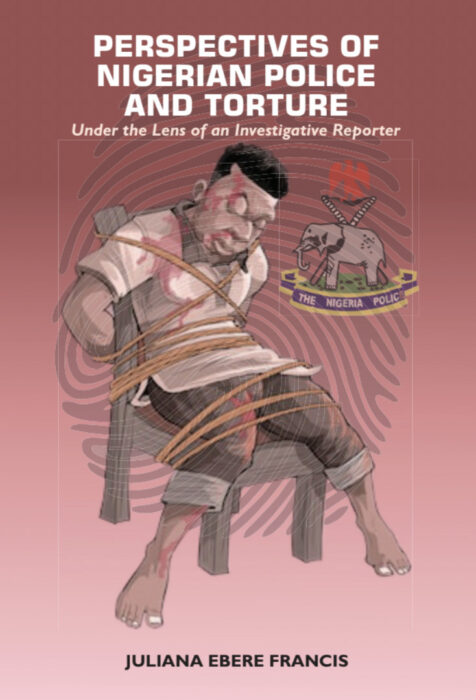
Historically, the Nigerian police force, including the police in Lagos, has been negatively noted for its involvement in human rights abuses, such as extrajudicial killings, torture, arbitrary detention, and extortion. Police brutality in particular has been a long-standing issue, with Lagos often at the center of high-profile cases of misconduct.
The Special Anti-Robbery Squad (SARS), which was disbanded in October 2020, was one of the most controversial units of the Nigerian police force. SARS was originally formed to address armed robbery and violent crime, but it became notorious for its involvement in extrajudicial killings, illegal detentions, torture, and extortion. Lagos, as one of Nigeria’s largest and most economically significant states, became a hotbed for SARS-related abuse. The End SARS protests in 2020 were a major turning point for police accountability in Nigeria, including Lagos State. As a result, the federal government disbanded SARS, but concerns regarding police brutality persist.
While the disbandment of SARS was a significant step, it does not address the systemic issues within the police force as a whole. The root causes of police misconduct, such as inadequate training, poor working conditions, insufficient oversight, and low pay, were not fully addressed.
- Institutional Framework and Legal Protections
Police Act of 2020:
One of the most important legislative reforms in recent years was the Police Act of 2020. This Act was passed with the goal of improving police operations across the country, including in Lagos. It addresses key issues such as:
- Welfare of police officers: The act mandates improved salaries, better training, and better working conditions for officers to reduce corruption and encourage professionalism.
- Disciplinary procedures: It introduces stronger measures for disciplining errant officers, with clearer processes for investigating allegations of abuse.
- Community-based policing: The Act envisions strengthening community policing, encouraging cooperation between citizens and police to tackle local crime issues.
Institutional Framework for Police Accountability in Lagos State
Police Service Commission:
- The Commission investigates and disciplines officers involved in misconduct, abuse of power, or violations of human rights.
- The PSC monitors the conduct and performance of police officers to ensure compliance with professional standards and ethical behavior.
- It receives and investigates complaints from the public regarding police misconduct, brutality, or corruption.
- The Commission ensures that police officers are held accountable for their actions and that victims of police abuse receive justice.
The Nigeria Police Service Commission plays a vital role in ensuring police accountability and professionalism. By effectively carrying out its oversight functions, the PSC can help build a police force that is trusted and respected by the citizens it serves. Despite its mandate, the PSC faces several challenges in fulfilling its oversight functions, including:
- Limited resources and funding.
- Political interference in its operations.
- Resistance from within the police force to accountability measures.
- Lack of public awareness about its role and functions.
However, addressing the challenges it faces is crucial for it to fully achieve its mandate
The Complaint Response Unit (CRU) is a special unit of the Nigerian Police Force established to improve police accountability, transparency, and public trust through investigation of complaints from the public about police conduct, misconduct, or unprofessional behavior. The CRU is under the supervision of PPROs of State Commands.
The CRU investigates complaints about police misconduct, such as extortion, bribery, harassment, and human rights violations. Members of the public can report complaints through various channels, including phone, email, social media, and in-person visits to CRU offices. The CRU is expected to recommend and take appropriate disciplinary measures against erring officers. The Complaint Response Unit (CRU) of the Nigeria Police is a vital component of the Nigerian Police, responsible for addressing public complaints and grievances. However, many Nigerians are unaware of existence of these Units, their mandates and procedures, leading to underutilization and mistrust.
National Human Rights Commission
The National Human Rights Commission plays a vital role in ensuring police accountability in Nigeria by investigating human rights violations, advocating for reforms, and promoting public awareness. However, for the NHRC to be more effective, it requires greater independence, adequate funding, and the cooperation of all stakeholders, including the government, the police, and civil society. By strengthening its oversight functions, the NHRC can contribute significantly to building a police force that respects human rights and operates with transparency and accountability.
NHRC plays a critical oversight role by ensuring that the Nigeria Police Force (NPF) respects and upholds the human rights of citizens. The NHRC investigates complaints of human rights abuses committed by police officers, including extrajudicial killings, torture, unlawful arrests, detention, and other forms of misconduct. It has the power to summon police officers, victims, and witnesses to give evidence during investigations. The Commission ensures that victims of police brutality or abuse receive justice and that perpetrators are held accountable.
Police Public Complaints Committee (PPCC)
This is a body established by the federal government to address complaints of police misconduct and human rights abuse by police personnel.
The purpose of PPCC is to secure individual fundamental human rights and protect citizens from police abuse through independent investigations and public awareness. Functions include
- Receive complaints regarding human rights abuses by police personnel.
- Investigate complaints that result in serious injury or loss of life.
- Forward investigation reports to the Police Service Commission (PSC) for disciplinary action.
- Advise the government on preventing and eliminating police brutality.
The PPCC was activated by the Federal Government to provide Nigerians with a platform to seek redress for alleged police misconduct and build trust in government. The establishment of this body at the federal level, which has been tasked with investigating complaints against the police, including those from Lagos State, is a positive step. However, concerns about the effectiveness and independence of this body remain.
Civil Society and the Media
Civil society organizations (CSOs), human rights groups, and the media have played a crucial role in holding the police accountable in Lagos. Through advocacy, legal interventions, and documentation of abuses, they have been instrumental in challenging police impunity. For example, organizations like RULAAC have consistently highlighted the issue of police brutality in Lagos and other parts of Nigeria. They have consistently documented cases of police misconduct, provided legal assistance to victims, and lobbied the government to address impunity within the force. These organizations have also been instrumental in raising public awareness about the importance of police reform.
The Media’s Role:
The Nigerian media, both traditional and social, has also been an important tool in shining a light on police abuses. In particular, social media platforms have allowed citizens to document police misconduct in real time and share it with the world. In the context of Lagos, Twitter, Instagram, and Facebook became powerful tools for organizing protests, spreading information, and exposing instances of police brutality.
Traditional media outlets, such as Channels TV, The Guardian Nigeria, and Premium Times, have also taken up the issue of police accountability by regularly covering incidents of police abuse and providing a platform for victims to share their stories.
Key Issues in Police Accountability
Despite the efforts to improve police accountability in Lagos, several challenges persist:
- Corruption and Extortion
Corruption remains a pervasive issue within the Lagos State Police Command. This practice not only undermines public trust but also perpetuates a cycle of impunity. For instance, Transparency International found that 72% of Nigerians perceive the police as corrupt, with 33% of respondents in Lagos reporting direct experiences of bribery.
- Politicization and Political Interference
Police operations and investigations are often subject to political influence, which can compromise their impartiality and accountability. The appointment of senior police officers in Lagos is often influenced by political allegiances rather than merit. This politicization weakens leadership quality and fosters loyalty to political patrons rather than the institution or the public. Such practices erode professionalism and accountability, as officers prioritize political interests over effective law enforcement .
- Weak Oversight Mechanisms
Statutory oversight bodies such as the Police Service Commission (PSC), NHRC and others are often ineffective due to political interference and inadequate resources. For example, the PSC lacks the capacity to investigate complaints independently, often referring cases back to the police for investigation, which rarely leads to accountability .
- Human Rights Abuses
Reports of extrajudicial killings, arbitrary arrests, and torture by police officers in Lagos are common. These abuses are often linked to extortion or political motives, further alienating the public. The disbandment of the Special Anti-Robbery Squad (SARS) in 2020 highlighted these issues, but similar abuses persist under other units.
- Lack of Proper Oversight: Independent oversight mechanisms, including the Police Service Commission have been criticized for being ineffective and lacking the power to hold officers fully accountable.
- Impunity: There is a prevailing culture of impunity within the Nigerian police force, including in Lagos. Many officers believe they can act without facing consequences, and instances of corruption and misconduct often go unpunished.
- Under funding and Poor Welfare: The police in Lagos, like other parts of Nigeria, suffer from inadequate funding, which impacts their ability to perform effectively and contributes to frustration, which can sometimes lead to abuse. Additionally, low police salaries and poor working conditions may encourage corrupt practices.
- Public Trust: There remains a deep mistrust between the police and the public. Many Lagos residents see the police as an oppressive force rather than a service that should protect them. This mistrust is a major barrier to the implementation of reforms, as citizens may be unwilling to engage with the police or report abuses.
Conclusion
Police accountability in Lagos State has made progress in recent years, especially following the End SARS protests. Reforms have been introduced, and there is an increased public demand for justice. However, significant challenges remain, including weak oversight mechanisms, a culture of impunity, and inadequate police training and welfare. Comprehensive reforms, including better training, oversight, and accountability mechanisms, are essential to ensure that the Nigerian police comply with human rights standards.
To ensure effective police accountability, it is essential that both institutional reform and cultural change occur. This means not only improving the legal and institutional mechanisms for accountability (such as the Police Act of 2020 and the creation of independent oversight bodies), but also addressing the underlying issues of corruption, impunity, and insufficient resources within the force.
Additionally, building public trust through consistent engagement, transparency, and a commitment to tackling police misconduct will be crucial. Civil society and media organizations will continue to play a key role in advocating for reform and holding both the police and government accountable to the people they serve.
Ultimately, police accountability in Lagos State requires both top-down reforms from the government and bottom-up engagement from the public to create a more transparent, fair, and effective policing system.
While there has been notable progress in recent years, including legislative reforms and heightened public awareness around police misconduct, police accountability in Lagos still faces significant challenges. Systemic issues such as corruption, lack of accountability, and a culture of impunity continue to undermine the protection of human rights.
Police accountability in Lagos State remains a significant challenge, with corruption, politicization, and weak oversight undermining public trust. While recent leadership changes and reform initiatives offer hope, sustained efforts are needed to address systemic issues. Strengthening oversight, depoliticizing appointments, and enhancing community engagement are critical steps toward building a more accountable and effective police force in Lagos.
Recommendations for Improvement
- Strengthen Oversight Bodies
The Police Service Commission and other oversight agencies should be granted greater independence and resources to investigate complaints effectively. Publicizing investigation outcomes and disciplinary actions would enhance transparency and deter misconduct .
- Depoliticize Appointments
Senior police appointments should be based on merit and experience rather than political connections. This would improve leadership quality and foster a culture of professionalism within the Lagos State Police Command .
- Enhance Community Engagement
Building trust with local communities is essential for effective policing. Initiatives such as community policing and public awareness campaigns can help bridge the gap between the police and the public, encouraging cooperation and accountability .
- Implement the Nigeria Police Act 2020
Full implementation of the 2020 reforms, including merit-based promotions and stricter disciplinary measures, is crucial. Regular audits and performance evaluations should be conducted to ensure compliance .
- Utilize Body Cameras and Technology
– Equip police officers with body cameras to record interactions with the public. This would deter abuse and provide evidence in cases of alleged misconduct.
– Implement a centralized database to track complaints against officers and monitor disciplinary actions.
- Public Reporting
Nigeria Police should be required to publish annual reports on arrests, detentions, and use of force, disaggregated by gender, age, and location.
– Establish a whistleblower protection program to encourage officers and civilians to report abuses without fear of retaliation.
- Establish Lagos State Human Rights Committee
– State Human Rights Committee which will include NHRC and other stakeholders was recommended by the Lagos State Judicial Panel on Police Atrocities aka Endsars Panel to investigate past and ongoing cases of police brutality.
– Ensure that victims of police abuse receive adequate compensation and support, including psychological counseling and legal aid.
- Community Engagement and Trust-Building
– Adopt a community-oriented policing model that emphasizes collaboration between the police and local communities. This would help build trust and improve intelligence gathering.
– Train officers to engage with communities respectfully and to address local security concerns proactively.
- Public Awareness Campaigns
– Launch statewide campaigns to educate citizens about their rights and how to report police misconduct.
– Use social media, radio, and television to raise awareness about the role of the police and the importance of accountability.
- Youth Engagement
– Involve young people in discussions about police reform, as they are often the primary victims of police brutality.
– Create platforms for dialogue between the police and youth organizations to address mutual mistrust.
- Improve Welfare for Officers
– Increase salaries and provide better working conditions for police officers to reduce the temptation for corruption.
- Long-Term Cultural Change Shift from Force to Service
– Promote a cultural shift within the police force, emphasizing service to the public rather than control and coercion.
– Recognize and reward officers who demonstrate professionalism and respect for human rights.
- Address Impunity
– End the culture of impunity by ensuring that officers who commit human rights violations are held accountable, regardless of rank or connections.
– Publicize cases where officers are prosecuted for abuses to serve as a deterrent.
Dr Lucas B. Koyejo, Phd, MCArb ( Director, NHRC Lagos State)