

By Okechukwu Nwanguma
In recent times, Nigerians have become accustomed to being blindsided by sudden public holidays — often declared with little notice, no clear public benefit, and questionable justification.
One such instance is the declaration of a national holiday to commemorate the death of a former military ruler whose legacy is largely defined by autocracy, economic stagnation, and the systematic erosion of civil liberties.
It begs the question: Should a nation still grappling with insecurity, poverty, and institutional decay halt all activity to honour someone whose leadership arguably laid the groundwork for many of its current woes?
The use of public holidays should reflect collective values and serve a unifying or purposeful function — to honour national heroes, cultural milestones, or moments that shaped our democracy and identity. But when these holidays are used to sanctify controversial figures — especially former dictators whose regimes were marked by human rights violations, suppression of dissent, and widespread corruption — it becomes not just unnecessary, but morally troubling.
What message does it send to the victims of past state repression? To the families of the missing, tortured, or killed under military regimes? What message does it send to today’s youth — struggling under the weight of failed leadership — when we stop everything to “honour” those whose records remain uninspiring, if not outright harmful?
There is a growing perception that such holidays are not about national unity or remembrance, but about rewriting history, appeasing power blocs, or asserting control over the national narrative. We must resist this trend. A public holiday should not be reduced to a tool for political patronage or historical revisionism.
Nigeria needs fewer meaningless pauses and more moments of national reflection, accountability, and deliberate progress. Let us honour those who built, not those who broke. Let us celebrate democracy, not dictatorship.
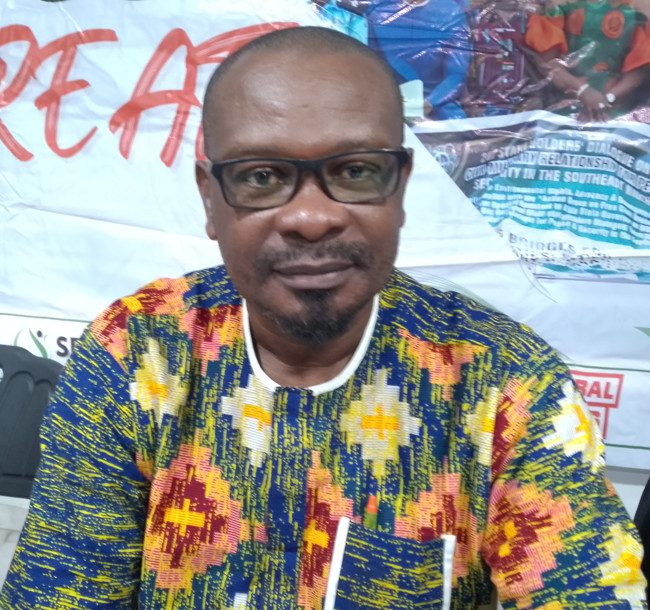
Mr Okechukwu Nwanguma is a human rights activist in Nigeria and Executive Director, RULAAC