

By Okechukwu Nwanguma
Two years after the damning revelations by whistleblower Nnamdi Emeh, a 26-year-old NYSC member and IT consultant to the Anambra State Rapid Response Squad (RRS), the Nigeria Police Force has continued to maintain a conspicuous silence.
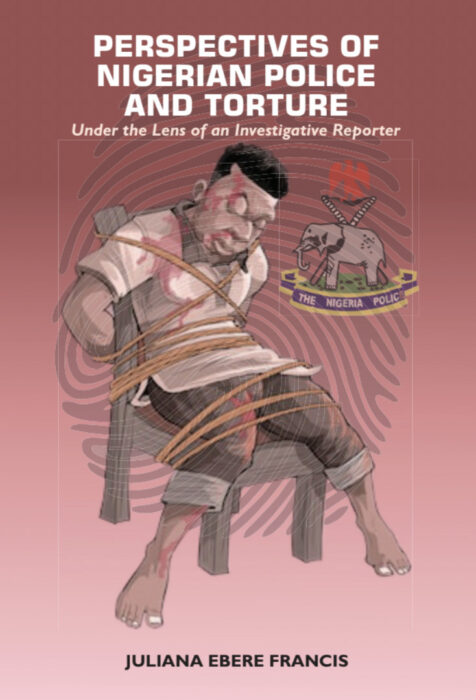
Emeh had exposed grave allegations of extrajudicial killings, organ harvesting, and extortion allegedly perpetrated by senior police officers in Anambra. Today, while the accused officers walk free, Emeh remains behind bars — even after a Federal High Court ordered his release.
The Nigeria Police Force, under public pressure in 2023, constituted a panel to investigate these horrifying allegations. Yet, despite promising to make the findings public, the police have reneged. What are they hiding? Why has the report remained secret for two years after submission? If the investigation was indeed thorough and honest, the public deserves to know the truth, or at least that justice is being served. Silence, in this context, is complicity.
Disturbingly, it’s not just the police obstructing justice. The Deputy Court Registrar of the Federal High Court, Awka, is alleged to be playing an active role in frustrating Emeh’s release. Sources say he has acted as a willing tool in the hands of the police, undermining the court’s order and betraying the very institution he serves. This should not be swept under the carpet. The National Judicial Council (NJC) must be activated to investigate and discipline any judicial officer found to be collaborating with law enforcement to pervert justice. Judicial officers are not above the law — they are meant to uphold it.
It must be understood that not all cases can or should be confined to the courtroom alone. Strategic pressure points exist — and must be activated. From the NJC to civil society, the media, the legislature, and international partners, all relevant levers of accountability must be pulled. For too long, the Nigerian public has watched institutional rot spread unchecked because the right buttons weren’t pushed.
At the fourth meeting of the Anambra State Police Stakeholders Partnership Forum (PSPF), facilitated by RULAAC with support from OSIWA, victims and relatives of police brutality gave chilling testimonies. From the abduction and disappearance of young Jeremiah Chibuzor Orji to accounts of torture and extortion from detainees, it became clear that a system of impunity continues to thrive, shielded from scrutiny and accountability.
While the police pretend to investigate, whistleblowers like Nnamdi Emeh are punished. Even after being declared wanted and arrested on vague allegations, he was held without trial for weeks and has yet to receive fair judicial treatment. The same officers he accused have neither been suspended nor charged. The investigation panel submitted its report long ago, yet the outcome is hidden from the public. Instead, the whistleblower is the one paying the price for daring to expose a death squad operating under state cover.
This is not merely an internal disciplinary matter for the Nigerian Police. It is a test case for the Nigerian justice system, civil society, and democratic accountability. The demand is simple: release Nnamdi Emeh as ordered by the court. Prosecute the officers if they are found culpable. Publish the investigation report. And discipline any judicial officer aiding in obstructing justice.
The Nigerian Police cannot continue to operate as a state within a state. The culture of extrajudicial executions, organ harvesting, illegal detention, and extortion — enabled by silence from above — must end. The police authorities know these things happen. They’ve received dozens of petitions. They simply benefit from the rot and therefore do nothing.
But we will not be silent.
Let it be recorded: we exposed this, we demanded justice, and we will continue to push the necessary buttons — in the courts, in the media, and the public conscience — until accountability is no longer optional.
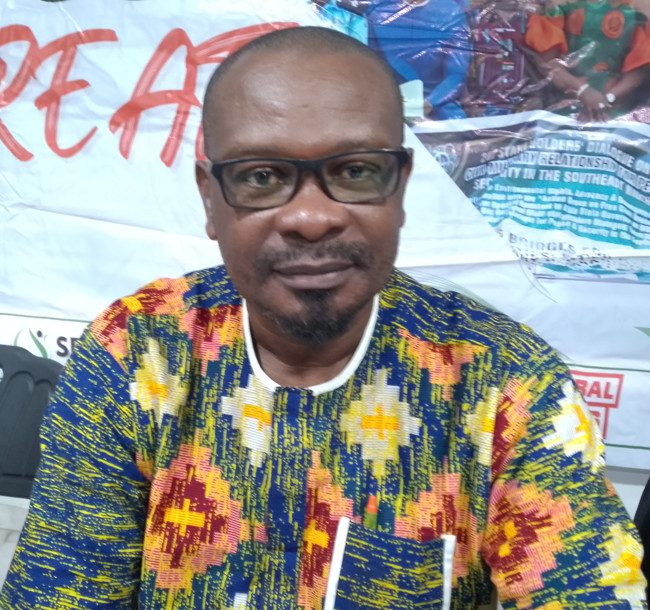
– Okechukwu Nwanguma is the Executive Director of the Rule of Law and Accountability Advocacy Centre (RULAAC).