

By Okechukwu Nwanguma
On Tuesday, August 12, 2025, at about 7:20 a.m., armed men stormed Unity Estate in Egbeda, Lagos. They forced their way into a residential compound, dragged out a young man, brutalised him, and whisked him away in a minibus. Neighbours watched in fear.
At first, they thought they were armed robbers. It turned out they were policemen from the Force Criminal Investigation Department (FCID), Alagbon, Ikoyi.
The victim, Mr. Olawale, was not shown a warrant. His name wasn’t even known to his assailants until much later. They manhandled his wife and her 18-year-old sister, beating and dragging them by the hair, spraying teargas into their eyes. At FCID Ikoyi, the story only got worse.
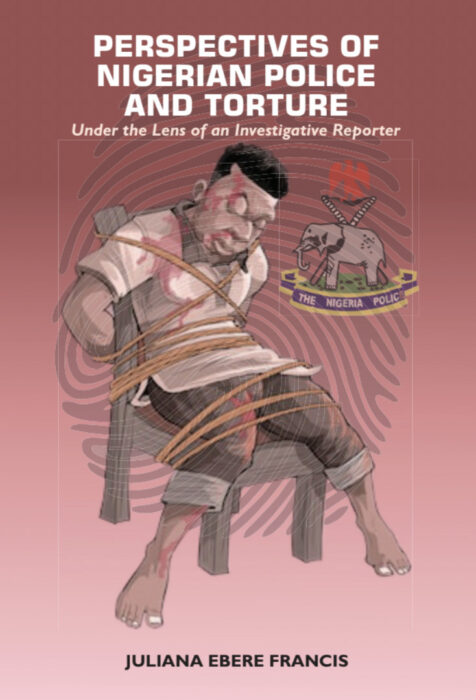
Olawale was tortured. He was spat upon, beaten with gun butts, dragged by his private part, and coerced to write dictated “confessions.” His phone was searched illegally; nothing incriminating was found. Still, the officers, led by a certain Mr. Kalu, insisted he must admit to being a fraudster or drug dealer.
Then came the final humiliation: extortion. What began as a demand for ₦10 million was “negotiated” down to ₦5 million and finally ₦2 million cash—plus ₦37,000 POS charges—before his release. Before letting him go, they saved his NIN details, pictures of his wife, sister-in-law, and children on their phones, and warned that “they were not done with him yet.”
This was not policing. It was banditry in uniform. It was abduction for ransom, not law enforcement.
Every aspect of Olawale’s ordeal is a violation: unlawful arrest and detention, torture, degrading treatment, extortion, and a threat to life. All are prohibited under the Constitution of the Federal Republic of Nigeria, the Administration of Criminal Justice Act, and the Anti-Torture Act of 2017.
If the Nigerian Police Force tolerates this level of criminality within its ranks, what moral authority does it have left? When policemen turn predators and citizens live in fear of those paid to protect them, the very foundation of democracy and the rule of law is undermined.
This case is not isolated. It is part of a recurring pattern of impunity at FCID Ikoyi and other police formations across Nigeria. The default response has been silence—or at best, cosmetic transfers. That cycle must end.
The Inspector General of Police must order a thorough investigation. The AIG in charge of FCID Annexe, Alagbon, must ensure that Mr. Kalu and his team are identified, suspended, and prosecuted. Beyond that, restitution must be made to the victim and his family.
Nigerians deserve a police service, not a predatory gang in uniform. Until there is accountability for cases like Olawale’s, public trust will remain broken, and insecurity will only deepen.