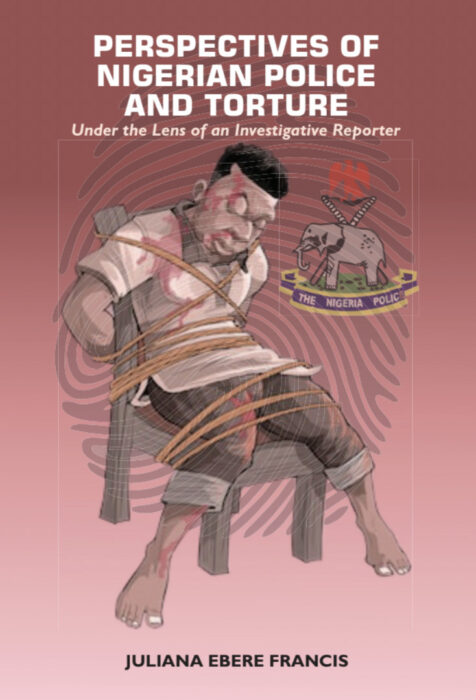


The Foundation for Environmental Rights, Advocacy and Development (FENRAD) has issued a stern warning that the establishment of State Police must be accompanied by ironclad safeguards to prevent the transformation of local law enforcement into tools of political oppression.
While the civil society group acknowledges that the country’s precarious security climate necessitates urgent reform, it cautioned that decentralising police power without robust institutional checks could have disastrous consequences for Nigeria’s democracy.
“While the growing insecurity across the country makes a compelling case for policing reforms and decentralisation of security architecture, the Foundation warns that without strong institutional safeguards, State Police could be vulnerable to political manipulation by state executives,” the organisation stated in an official release, made available to Securitynewsalert.com.
The advocacy group expressed deep concern that state governors, who already wield significant influence over local government structures, might weaponise new police units to suppress dissent, intimidate political rivals, and shrink the nation’s civic space. According to the organisation, the concentration of power remains a critical vulnerability in Nigeria’s governance model.
FENRAD’s Executive Director, Comrade Nelson Nnanna Nwafor, emphasised that any legislative framework must prioritise human rights and accountability over political expediency. He argued that the current reform efforts must aim to strengthen, rather than erode, the democratic process.
“The establishment of State Police should not become a pathway for political repression or the erosion of civil liberties,” Nwafor asserted.
To mitigate these risks, the group proposed a multi-layered approach to oversight. They called for the creation of independent State Police Service Commissions to manage recruitment and discipline, arguing that these bodies must include representatives from civil society, the judiciary, and professional organisations to strip away unilateral control from state governors.
Furthermore, FENRAD urged the National Assembly to ensure that any forthcoming legislation mandates robust legislative oversight and establishes clear, federally enforced human rights standards. They also advocated for the strengthening of institutions like the National Human Rights Commission to provide citizens with accessible channels for reporting misconduct.
The group concluded its call by urging stakeholders across the country to prioritise an inclusive and transparent process. They maintain that while Nigeria’s security challenges demand bold, decisive action, those actions must be rooted in democratic principles to ensure that citizens are protected from the abuse of power rather than becoming victims of a new, localised form of it.