

The Rule of Law and Accountability Advocacy Centre (RULAAC) has said Amnesty International’s latest report on the human rights situation in South-East Nigeria validates long-standing concerns raised by civil society groups over rising insecurity and state impunity.
The Amnesty report, titled “A Decade of Impunity”, documents widespread violence and human rights violations in the region between January 2021 and June 2023, during which at least 1,844 people were killed.
RULAAC, in a statement signed by its Executive Director, Okechukwu Nwanguma, said the findings were neither new nor surprising, noting that they mirror what survivors, families of victims, lawyers, and human rights defenders have repeatedly reported.
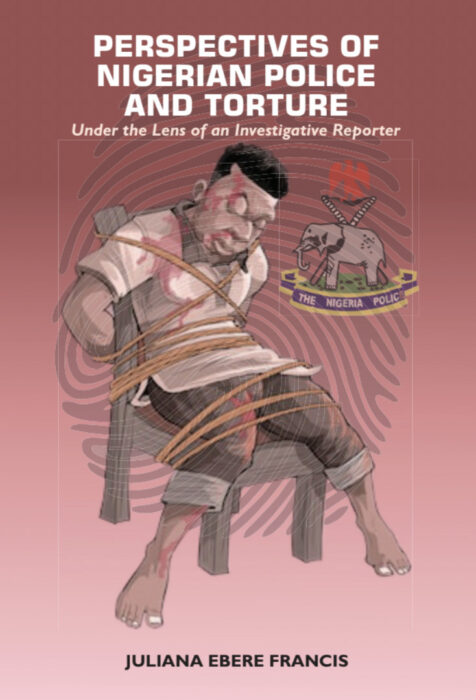
A recent investigative project led by journalist Juliana Francis, with RULAAC’s support, highlighted harrowing accounts of arbitrary arrests, incommunicado detention, torture, extortion, extrajudicial killings, enforced disappearances, disobedience of court orders, reprisal attacks, destruction of homes, and lack of accountability by oversight bodies.
Amnesty International’s report similarly indicted both state and non-state actors for grave violations, including: Security agencies and the state-backed Ebube Agu paramilitary force; IPOB/ESN and “unknown gunmen” and Cult groups and herder militias.
The report detailed killings, torture, burning of homes, forced displacement, enforced disappearances, and the violent disruption of education through sit-at-home orders.
RULAAC expressed concern that South-East governors declined to meet Amnesty International to discuss the findings, describing their stance as indifference or complicity. The group also faulted the Nigeria Police for dismissing the report as “exaggerated” without review—an approach it said has greeted every previous exposure of rights abuses.
“What is urgently required is not more documentation but political will,” RULAAC stressed.
The group urged the Federal Government and South-East governors to: Take Amnesty’s findings seriously and implement its recommendations, Launch prompt, independent, and impartial investigations into all violations, ensure justice and compensation for victims, Criminalise and end enforced disappearances, provide humanitarian support to displaced communities, and Safeguard children’s education from insecurity-related disruptions.
RULAAC noted that these demands align with positions it presented at the Enugu South-East Stakeholders’ Summit co-hosted with the Nigerian Bar Association.
“The time has come for urgent action to end impunity, restore trust, and protect the lives and dignity of citizens in the South-East,” the statement concluded.