

By Okechukwu Nwanguma
The recently released Amnesty International report “A Decade of Impunity” contains nothing essentially new.
Rather, it reinforces and validates what RULAAC and other local human rights groups have long documented and consistently raised alarm over.
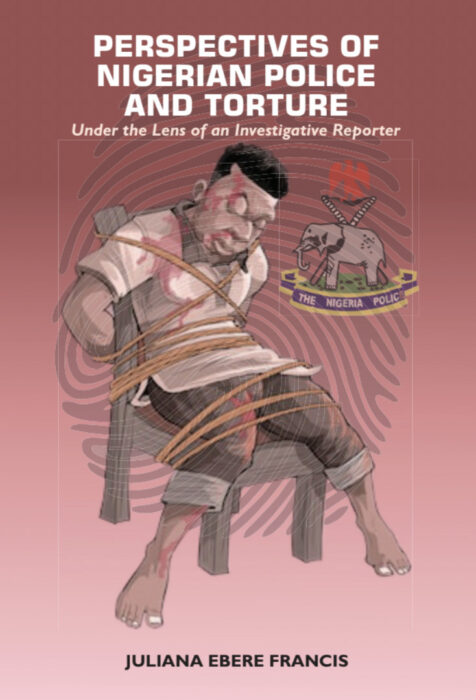
Just months ago, RULAAC, through investigative journalism research anchored by Juliana Francis, presented testimonies of survivors, families of victims, lawyers, and human rights defenders. Their accounts mirror the same egregious patterns Amnesty has now highlighted:
– Arbitrary arrests, incommunicado detention, torture, extortion, extrajudicial killings, and enforced disappearances;
– The persistent disobedience of court orders directing the police to pay compensation to victims;
– Collective punishment through reprisal attacks and destruction of homes;
– And the systematic failure of law enforcement, security agencies, and oversight bodies to investigate and ensure accountability.
It is telling—and deeply troubling—that South-East governors refused to even grant Amnesty International an audience to discuss these findings. This silence suggests complicity, indifference, or at best, a failure of leadership at a time when the people they govern are trapped between state and non-state actors committing abuses with impunity.
The Nigeria Police, for their part, quickly dismissed the report as “exaggerated” before any meaningful review, echoing the same reflexive denial that has greeted every prior exposure of abuses. Such knee-jerk defensiveness only strengthens the perception that the police are unwilling to confront their failures.
The scale of killings and human rights violations in the South-East is staggering. Amnesty estimates at least 1,844 people were killed between January 2021 and June 2023. Security forces, IPOB/ESN, so-called “unknown gunmen,” Ebube Agu operatives, cult gangs, and even herder militias have all been implicated. Entire communities have been displaced, traditional rulers sacked, homes razed, and livelihoods destroyed. The sit-at-home orders enforced by IPOB/ESN have robbed children of education and ordinary people of their freedom of movement and dignity.
Yet, while Amnesty’s report provides fresh global attention, its recommendations are not novel—they echo what RULAAC and partners have repeatedly proposed, including at the Enugu South-East Stakeholders’ Summit organised with the Nigerian Bar Association.
These include: independent investigations of violations, access to justice and compensation for victims, criminalisation of enforced disappearances, safeguards against torture and arbitrary detention, support for displaced persons, and creative solutions to ensure children continue their education despite insecurity.
What is left is not more documentation but political will. The Federal Government and South-East governors must this time rise above denial and defensiveness. They must adopt Amnesty’s recommendations, align them with locally driven proposals, and demonstrate concrete steps to protect human rights, rebuild trust, and restore peace.
The longer these calls are ignored, the deeper the cycle of violence and impunity entrenches itself in the South-East—and the heavier the cost borne by innocent citizens.