

By Okechukwu Nwanguma
The insecurity ravaging Nigeria’s Southeast cannot be fully understood outside the political question surrounding the detention of Nnamdi Kanu, leader of the Indigenous People of Biafra (IPOB). The debate over whether to release him – or to pursue a political solution to the agitation he symbolizes – goes to the heart of Nigeria’s crisis of governance, justice, and national cohesion.
For years, the federal government has approached the IPOB question as a purely security problem, relying on repression, proscription, and propaganda. Yet, the facts on the ground show that this approach has only deepened alienation, radicalized segments of the youth, and created fertile ground for criminal opportunism under the cover of Biafra agitation.
IPOB, Its Evolution and Radicalization
IPOB did not emerge in a vacuum. It evolved from earlier non-violent groups such as MASSOB, movements that drew legitimacy from widespread feelings of exclusion and injustice in post-war Nigeria. Initially, IPOB mobilized peacefully – protesting marginalization, police brutality, and poor governance. But from around 2012, as state repression intensified, the group’s rhetoric and tactics hardened.
The formation of the Eastern Security Network (ESN) marked a turning point. The ESN claimed to protect communities from attacks by armed herders, but soon became entangled in violent confrontations with security forces. Criminal elements infiltrated the movement, exploiting the chaos for extortion and banditry. Meanwhile, inflammatory broadcasts from Radio Biafra amplified divisions and further eroded public trust.
The government’s collective punishment and militarized response – raids, mass arrests, torture, and extrajudicial killings – fed into the narrative of persecution. The cycle of violence and vengeance became self-sustaining.
Nnamdi Kanu and the Question of Political Solution
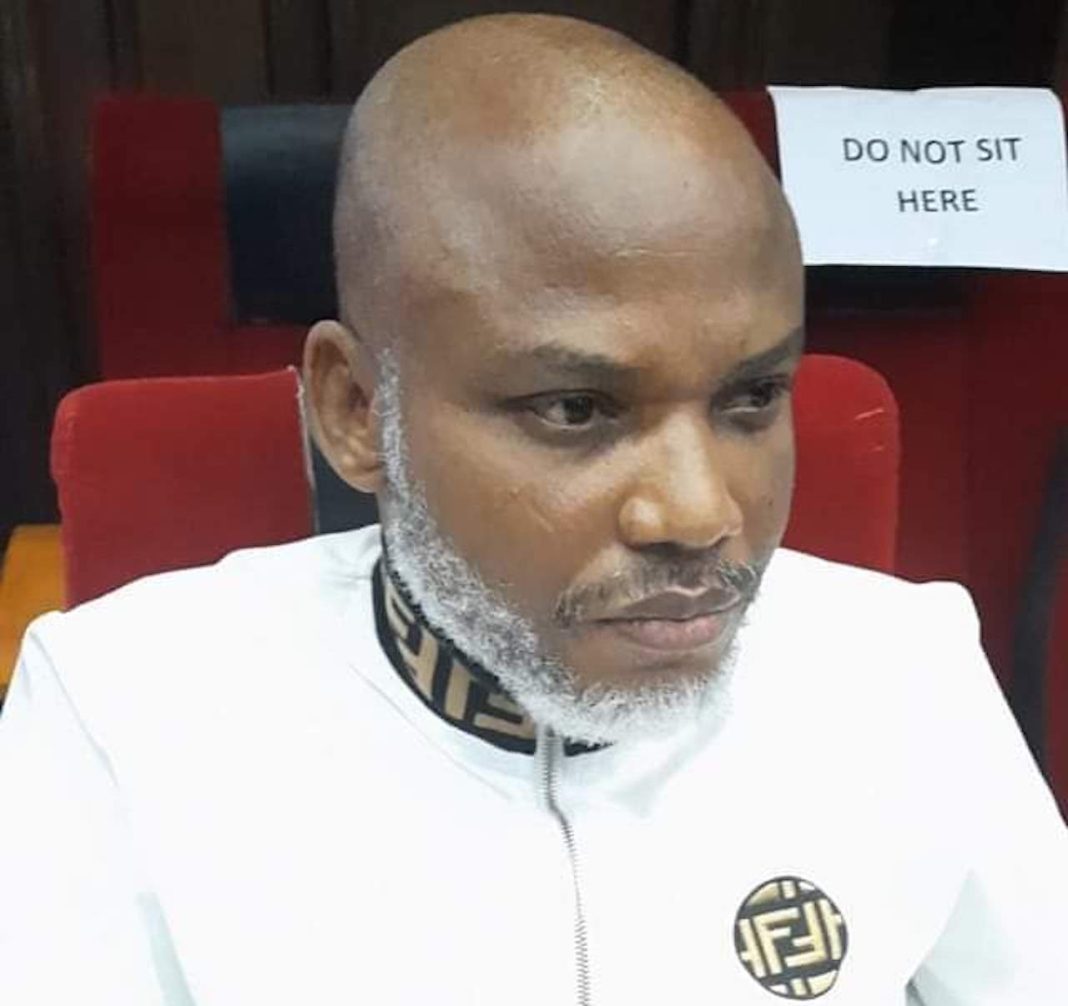
Since his extraordinary rendition to Nigeria in 2021, Nnamdi Kanu’s continued detention despite multiple court orders for his release has become both a symbol and a catalyst of the South-East crisis. His case now transcends legalities – it represents a deep moral and political question: can Nigeria build peace through vengeance?
Those who argue against his release often cite national security, the killings attributed to IPOB, and the need to uphold the rule of law. But the contradiction is glaring: when the same government routinely disobeys court orders and uses state power to persecute critics, its claim to legal purity rings hollow.
Supporters of a political solution argue, rightly, that peace cannot be imposed through force. Kanu’s prolonged detention has neither weakened the agitation nor restored order. Instead, it has fractured IPOB, spawning criminal splinter groups, some led by characters like Simon Ekpa, whose violent rhetoric and enforcement of sit-at-home orders have inflicted more pain on the very people they claim to defend.
Even mainstream IPOB leadership has disavowed Ekpa’s violent methods, insisting that indefinite sit-at-home orders destroy the regional economy and punish ordinary citizens. Schools have been shut, patients stranded, and local businesses crippled – all under the threat of violence from armed enforcers exploiting the vacuum created by state repression and IPOB disunity.
Criminality, State Complicity, and Youth Despair
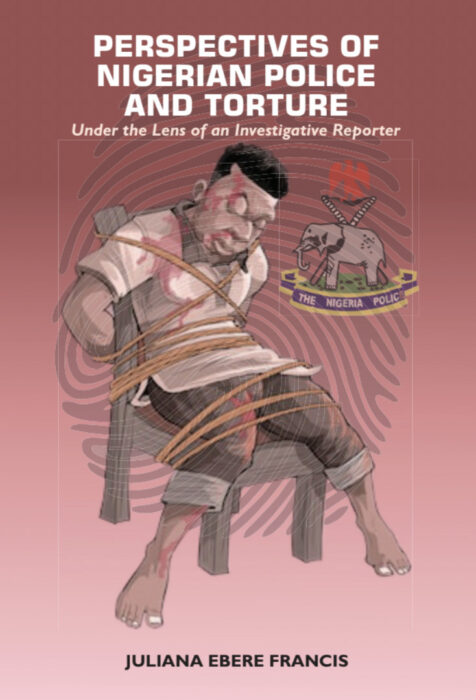
Across the Southeast, poverty, unemployment, and the collapse of state institutions have left young people vulnerable. Many have been drawn into criminal gangs masquerading as “freedom fighters.” The state, rather than addressing root causes, has doubled down on violence. Special police units like the Tiger Base in Owerri or the Anti-Kidnapping Squad in Enugu have become synonymous with torture, arbitrary detention, and extrajudicial killings.
Young men are routinely profiled as IPOB members or ‘Yahoo-Yahoo’ simply for having dreadlocks, tattoos, or laptops. Some never return home. In 2022, Gloria Okolie was detained for months without trial, accused of being an IPOB spy; a court declared her detention unlawful, but the police refused to obey the judgment. This lawlessness by state actors mirrors the very impunity they claim to fight.
The Debate Nigeria Refuses to Have
Nigeria stands at a crossroads. The call for a political solution is not a call for impunity – it is a call for pragmatism and peace. A political approach would involve dialogue, confidence-building, and addressing structural grievances through economic inclusion, youth empowerment, and justice reform.
Those opposed to this route argue that negotiating with agitators undermines the state. But history proves otherwise. The Niger Delta amnesty program, however imperfect, helped reduce militancy and restore stability. South Africa’s Truth and Reconciliation process turned a divided nation toward healing. The same government is openly negotiating with armed bandits in parts of Northern Nigeria. Why then should dialogue be taboo when it comes to the South-East?
The Way Forward
Nigeria must break the vicious cycle of repression and retaliation. The following steps are urgent:
1. Release Nnamdi Kanu or resolve his case through dialogue and due process. Continuing to defy court orders undermines the rule of law and fuels resentment.
2. Demilitarize the Southeast. Replace soldiers with community policing, intelligence-led investigations, and engagement with credible local actors.
3. Address root causes – youth unemployment, poverty, and the perception of political exclusion.
4. End the collective punishment of Igbo communities and arbitrary labeling of young people as terrorists.
5. Investigate and sanction abuses by security forces, and prosecute criminal elements exploiting the agitation.
In the final analysis, peace in the Southeast will not come from brute force or endless detentions. It will come from justice, inclusion, and dialogue. Nnamdi Kanu’s case is not merely a legal matter – it is the test of Nigeria’s capacity for reconciliation and statecraft.
The federal government must recognize that suppressing symptoms without curing the disease only prolongs instability. Releasing Kanu under a political arrangement – anchored on justice and peacebuilding – will not weaken the state; it will strengthen it by reaffirming its humanity and legitimacy.
Nigeria must choose dialogue over domination, inclusion over impunity, and healing over humiliation. That is the only path toward lasting peace in the Southeast.
Mr Okechukwu Nwanguma is the Executive Director, Rule of Law and Accountability Advocacy Centre Rulaac