

By Okechukwu Nwanguma
I read the statement by the Imo State Police Command, signed by its spokesperson, DSP Henry Okoye, dismissing RULAAC’s call for the disbandment of its Anti-Kidnapping Unit, known as Tiger Base, describing allegations of torture, unlawful detention, extortion, and extrajudicial killings as “unfounded” and “misleading.”
The Command further argued that disbanding Tiger Base would “undermine officer morale and embolden criminals,” while urging citizens to commend the unit for its “resilience and crime-fighting achievements.”
I appreciate the dilemma faced by the authorities of the Imo State Police Command. Tiger Base enjoys strong political cover that has for years shielded it from effective control, accountability, or meaningful oversight by the state command itself.
But acknowledging this reality only deepens the troubling nature of the Command’s defensive response. Instead of candidly admitting the structural problem, the Command has chosen the easier but more damaging path of sweeping dismissal of well-documented facts and evidence-based reports.
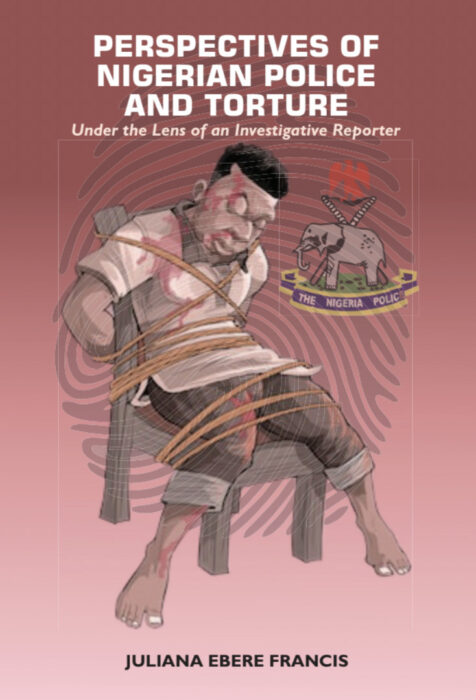
There is no shortage of credible documentation. Investigative journalist Juliana Francis has published detailed reports containing testimonies of survivors, victims’ relatives, lawyers, and civil society groups.
Amnesty International’s recent report, Nigeria: A Decade of Impunity: Attacks and Unlawful Killings in South-East Nigeria, also directly implicates Tiger Base in systemic abuses.
Beyond these, RULAAC and other civil society actors regularly submit petitions to the Command – many of them already in the public domain – on specific cases of torture, unlawful detention, and extortion.
Only yesterday, RULAAC petitioned the Command over a 21-year-old trainee nurse who has been held at Tiger Base for over three months, tortured, and forced to sign a false confession of armed robbery. Can the Command tell the public what concrete action it has taken since this case was brought to its attention?
The reflex of denial and deflection whenever the police are confronted with allegations of abuse is not new. It is the same script that has allowed impunity to flourish and public distrust to grow. Dismissing evidence-backed complaints as “unfounded” does not protect the police – it corrodes their credibility and strips them of the moral authority they desperately need to lead the fight against crime.
If the Command truly values constructive engagement with civil society, then let it start by responding to specific cases already documented. Let Tiger Base be opened to independent investigation. Let the police prove to the people of Imo that they can fight crime without violating the very rights they swore to protect.
The truth cannot be denied. The burden rests squarely on the police, not on the victims.
Okechukwu Nwanguma is a human rights activist and the Executive Director of RULAAC