

…As Lawyers, Activists Call for Leadership Overhaul, Human Rights Accountability
A heated virtual discussion on human rights abuses at the Anti-Kidnapping Unit of the Imo State Police Command, popularly known as Tiger Base, has reignited calls for accountability, professionalism, and media responsibility in addressing allegations of police brutality and extrajudicial actions.
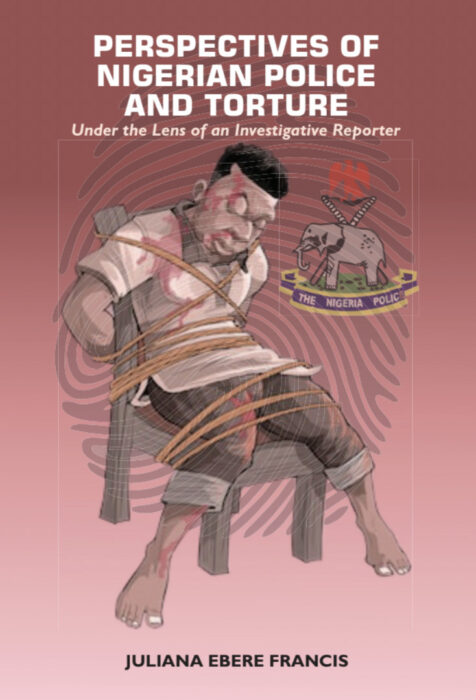
The XSpace conversation, convened by Security News Alert publisher Juliana Ebere Francis, coincided with Nigeria’s 65th Independence Anniversary.
The dialogue, themed “Anti-Kidnapping Unit, Imo State Police Command (Tiger Base): Unchecked Power, Extrajudicial Killings, Enforced Disappearance, and Media Complicity,” brought together legal experts, human rights defenders, journalists, and relatives of victims to shed light on alleged atrocities committed by operatives of the unit.
Moderated by radio presenter Ms Joan Yakubu and human rights advocate Mr Kehinde Adeboyega, the session underscored the importance of holding security agencies accountable, particularly on a day meant to celebrate freedom and justice.
Opening the discussion, Yakubu urged journalists to move beyond merely reporting problems to driving solutions. “It’s about creating solutions to the problem that has been cited,” she said. “Today, as we mark Nigeria’s 65th Independence Anniversary, we must confront realities that contradict the ideals of freedom, justice, and unity.”
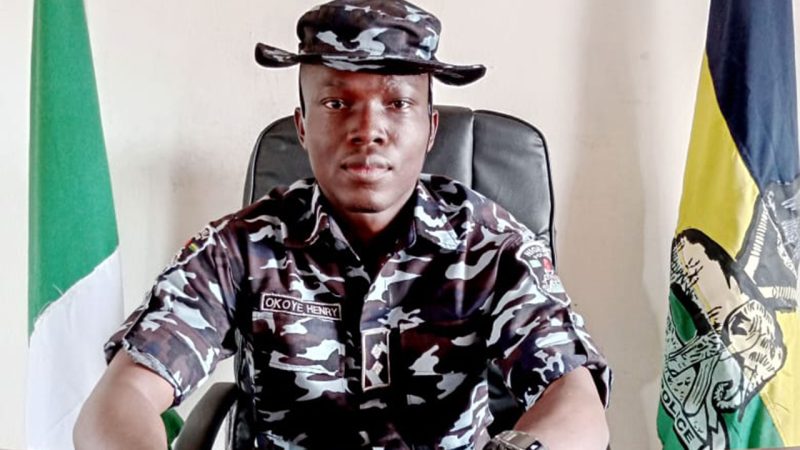
Speakers included Mrs Ike Amarachi, a relative of one of the alleged victims; lawyer Dr Christian Nwadigo, Executive Director of the People’s Rights Organisation; Gender Justice advocate Marjorie Ezihe; Barrister Ike Augustine; Executive Director of RULAAC, Mr Okechukwu Nwanguma; and the Imo State Police Public Relations Officer, Mr Henry Okey.
Francis, in her opening remarks, said the conversation aimed to amplify victims’ voices and push for transparency in policing.
“We cannot continue to ignore allegations of torture, extortion, and prolonged detentions. Citizens deserve safety and justice, not fear at the hands of those meant to protect them,” she emphasised.
She further said, “We cannot ignore what is going on at Tiger Base. From unlawful arrests to torture and forced disappearances, these issues demand our collective attention, not just as activists or journalists, but as human beings. This conversation is timely because it aims to rebuild trust and promote respect for human dignity.”
Using hashtags such as #SecurityNewsAlertTigerBase, #Police, and #Nigeria@65, participants encouraged public engagement to demand reforms and accountability in law enforcement.
Human rights advocate Adegboye noted that the Tiger Base Police allegations mirror broader systemic issues within the Nigerian Police Force. “These issues happen daily and were at the heart of the #EndSARS protests,” he said, stressing the need for institutional reforms and stronger oversight mechanisms.
Lawyer Christian Nwadigo recounted the case of 32-year-old trader Japheth Njoku, who allegedly died in police custody at Tiger Base after being detained in March 2025 over a fabricated theft allegation.
He said Njoku was held beyond the legal 48-hour limit, tortured, and coerced into confessing to an offence he did not commit.
According to Nwadigo, Tiger Base operatives extorted suspects and functioned “like a debt recovery agency.” He added that an autopsy was ordered by a coroner’s court, with the Director of Public Prosecutions overseeing proceedings.
Njoku’s case, he said, revealed the impunity and systemic abuse of power within the unit. Despite initial resolution at the Owerri Area Command, the matter was allegedly revived through influence from a complainant connected to a police officer, leading to Njoku’s unlawful detention and death.
The community now awaits the coroner’s findings, hoping for transparency and justice in what many describe as a case of extrajudicial killing.
Keynote speaker Okechukwu Nwanguma situated the discussion within the context of Nigeria’s Independence celebration, calling it a moment for “sober reflection.”
He praised investigative journalist Juliana Francis for her “fearless and consistent work exposing abuse and demanding accountability.”
Nwanguma condemned the culture of impunity among security agencies and criticised “phantom media groups” that sanitise abuses through propaganda.
“Unchecked power breeds abuse. Media complicity enables it. Propaganda sustains it. But truth will always outlive propaganda,” he declared.
He argued that genuine reform is impossible without justice for victims and that independence should translate into freedom from institutional oppression.
“Our founding leaders envisioned a nation built on freedom, justice, and unity,” he said. “Yet six decades on, corruption, insecurity, and human rights abuses still define the lives of millions.”
He concluded that Nigeria’s independence celebrations must serve as a reminder of the state’s constitutional duty to ensure the welfare and security of its citizens.
“If independence is to be meaningful,” he said, “it must be reflected in the daily lives of ordinary Nigerians.”
Augustine described the situation as “a very sad day” for the nation, lamenting that Nigeria was still grappling with rights violations, police brutality, and extortion by institutions meant to protect citizens. He urged the police to strengthen internal accountability mechanisms.
Responding to the allegations, the Imo State Police Public Relations Officer, Mr Henry Okoye, denied claims that the command condones human rights abuses.
He said both the state governor and the Commissioner of Police had repeatedly cautioned officers against misconduct.
“I’ve listened to the complaints and taken note of them,” Okoye stated. “I urge the complainant to come forward with proof to my office. We will investigate and ensure justice is done.”
Okoye maintained that the command does not tolerate rights violations, noting that several officers had been disciplined or dismissed for misconduct. “When investigations reveal false claims meant to tarnish our image, we make our findings public,” he said, reiterating the command’s commitment to the rule of law and citizens’ rights.
Francis shared disturbing accounts of police brutality, including the case of a pregnant woman allegedly tortured and lost her pregnancy after being arrested as the girlfriend of a proscribed IPOB member.
“I had to undergo therapy after witnessing that,” she said, urging journalists to act as watchdogs rather than mouthpieces for law enforcement.
She criticised the media’s tendency to glorify police operations without scrutiny, warning that “when someone dies or is tortured, someone must be held accountable.”
In response, Okoye again dismissed the claim as false and challenged journalists to provide evidence. He revealed that Human Rights Desk offices had been established across tactical units, including the Anti-Kidnapping Division, to monitor suspect detention and prevent over-detention.
“We’ve seen great improvement,” he added, explaining that journalists now attend press briefings and can interact with suspects, many of whom confess to crimes such as kidnapping and armed robbery.
Silverbird TV journalist Lillian Awofeso recounted her own visit to an anti-kidnapping unit, where she observed suspects casually interacting with visitors.
One suspect allegedly admitted to killing a friend over stolen electronics, claiming his wealthy family would secure his release. “Many of these people are criminals,” Awofeso said, adding that the presence of anti-kidnapping units has reduced crime in some areas.
Nonetheless, she urged balanced reporting: “If you talk about the bad aspects of the police, you should also talk about the good ones.”
Reconnected to the discussion, lawyer Dr Christian Nwadigo made a legal submission citing Sections 62, 64, 69, and 70 of the Police Act, which outline procedures for detention, bail, and oversight.
“Section 69 mandates that police report to supervising magistrates monthly,” he said, “while Section 70 requires chief magistrates to visit police stations. The question is whether these provisions are being followed.”
He emphasised that suspects in non-capital cases must be granted bail within 24 hours and that anyone detained unlawfully can apply for bail.
“This is not a personal attack,” he clarified. “It’s about ensuring that the law is followed and that suspects are treated fairly.”
Nwadigo called for a leadership change at Tiger Base, insisting, “You don’t fight crime with crime.”
He claimed to possess documents linking the unit to extrajudicial killings and alleged instances where deceased individuals were later falsely charged.
“We are not accusing anyone falsely,” he said. “But there must be accountability.”
He further advocated for the enforcement of the Police Establishment Act 2020, which protects citizens’ rights and freedoms, stressing, “There should be sanity in that place.”
Okoye defended Tiger Base’s operations, saying the unit handles high-profile cases such as armed robbery, kidnapping, and terrorism, often requiring extended detention backed by court orders.
He cautioned against statements that undermine the judiciary and urged complainants to use official channels such as the Complaint Response Unit (CRU), Zone 9 headquarters, or the Police Service Commission.
Despite police assurances, participants continued to express concern over impunity and disregard for due process. One contributor condemned charging deceased suspects posthumously, saying, “We should value the sanctity of human life as guaranteed in the Constitution.”
Citing international human rights treaties, the speaker warned against using fundraising or influence to justify prolonged detention, urging participants not to be swayed by “sugar-coated addresses.”
The forum ended with a unified call for justice, transparency, and institutional reform. Participants urged collaboration between the police, judiciary, journalists, and civil society to ensure law enforcement operates within legal and ethical limits.
Addressing closing remarks, Okoye reiterated: “Anyone with credible evidence should bring it forward. We will investigate and ensure justice is done.”