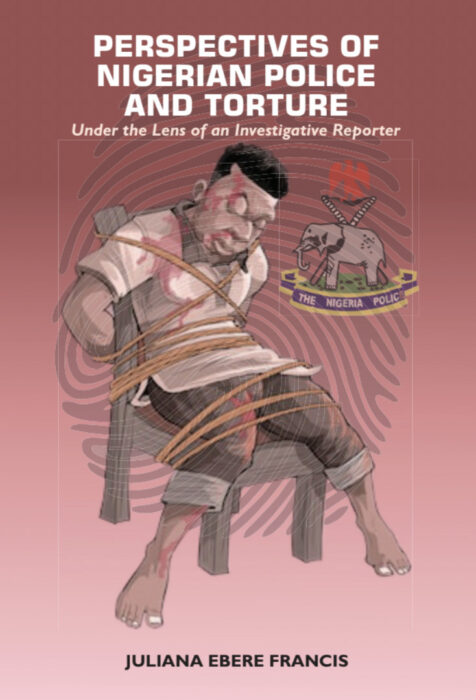


The Rule of Law and Accountability Advocacy Centre (RULAAC), has said that the disbandment of the Special Anti-Robbery Squad (SARS) Unit, did not eliminate police brutality, as other units continued similar patterns of abuse, including extortion, torture, and extrajudicial killings.
The Executive Director of RULAAC, Okechukwu Nwanguma, who stated this in a press statement, said that the #EndSARS movement in Nigeria was a significant uprising against police brutality and bad governance, catalysed by a horrific incident of police violence.
He added that there remained critical issues regarding the ongoing challenges within the Nigerian police system and the government’s inadequate response to the demands for reform.
He noted that the EndSARS emerged as a reaction to systemic police violence, particularly highlighted by a tragic incident where police officers robbed and murdered young citizens.
He further said: “Initially peaceful, the movement escalated when the government deployed thugs to infiltrate protests, culminating in a brutal military crackdown at the Lekki Tollgate. Promises of police reform and justice were largely undermined by cover-ups and minimal compensation for victims, with no accountability for perpetrators.
“The disbandment of the SARS unit did not eliminate police brutality, as other units continued similar patterns of abuse, including extortion, torture, and extrajudicial killings. The government must demonstrate commitment to genuine reforms, including depoliticizing the police, improving leadership selection, decentralization, adequate resources, better training, and strengthened accountability mechanisms.
“The movement reaffirmed the necessity of protecting human rights under the rule of law and demonstrated that rebellion against oppression is a last resort for marginalized citizens. The government must heed past recommendations for police reform, including those from various committees over the years, and ensure the effective implementation of the Police Act 2020.”
He maintained that meaningful police reform is contingent upon democratic governance.
“An authoritarian regime will inevitably use the police to serve regime interests, perpetuating a cycle of oppression and undermining democratic processes. In conclusion, the EndSARS protests spotlighted urgent issues within Nigeria’s policing and governance systems. For genuine reform to occur, the Nigerian government must prioritize accountability, community trust, and human rights, moving towards a transparent and democratic police force. The ongoing pattern of abuses underscores the need for continued public engagement and pressure for reform,” said Nwanguma.