

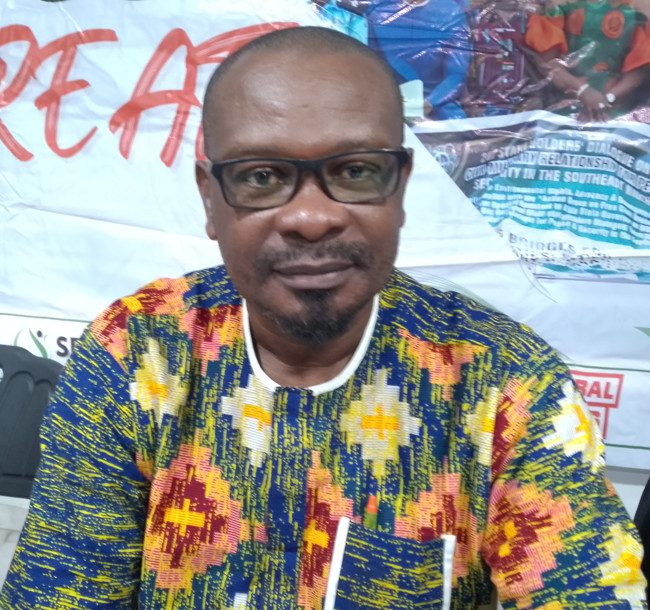

By Okechukwu Nwanguma
Seventeen years ago, at the International Forum for Democratic Studies in Washington DC, I argued that Nigeria’s criminal justice system was in dire need of reform.
I spoke about how impunity, arbitrariness, and corruption had eroded law enforcement integrity; how political interference undermined reform efforts; and how a culture of violence and intimidation denied citizens access to justice and security. Sadly, those words remain as true today as they were in 2008—perhaps even more so.
Over the years, successive governments have made lofty promises of police reform, yet little has changed in practice. Commissions, panels, and white papers have come and gone, but the core issues—impunity, brutality, poor welfare, and political control—remain entrenched. The state continues to fail in its human rights obligations under both domestic and international law, often paying lip service to reform while tolerating, and at times encouraging, abuses by those meant to protect the public.
The 2020 #EndSARS protests briefly rekindled hope. For the first time in decades, young Nigerians united across regions and religions to demand an end to police brutality and impunity. Their courage forced the government to acknowledge the depth of public discontent and to initiate judicial panels of inquiry across the states. But as with many past efforts, the outcomes have largely been ignored. Promises of justice for victims and accountability for perpetrators have faded into the familiar pattern of denial, delay, and disregard.
True police reform cannot occur in isolation. It must be situated within broader justice sector reform and built on principles of transparency, accountability, and community participation. The police cannot reform themselves while remaining instruments of political control. Nor can citizens feel safe when security institutions operate outside the law.
Civil society must, therefore, continue to lead the charge. Our role is to push Nigerian leaders beyond rhetoric—to insist on genuine reform, grounded in respect for human rights and responsive to the needs of citizens. This requires sustained advocacy, robust oversight, and meaningful engagement with reform-minded officials within the system.
But lasting reform also demands a reimagining of police–community relations. Decades of abuse have bred deep mistrust and fear. Rebuilding confidence will require open dialogue, consistent accountability, and community-driven policing models that reflect Nigeria’s diversity and local realities. The long-delayed conversation about decentralisation of policing must be revisited with seriousness, not dismissed as a political threat. A truly federal structure demands that policing, like governance, be closer to the people.
Furthermore, the separation of the executive branch from the criminal justice system is essential. As long as the police remain politically beholden to the executive, they will struggle to act impartially or to enforce the law without fear or favour.
Seventeen years after my earlier call for reform, Nigeria’s policing crisis remains a mirror of the country’s larger governance failure. Yet, hope endures in the resilience of civil society, in the courage of citizens who continue to demand justice, and in the quiet professionalism of the few officers who still uphold their oath amid adversity.
Unless the state takes concrete steps to institutionalise accountability, improve police welfare, ensure operational independence, and rebuild public trust, Nigerians’ dream of an effective, democratic, and humane police force will remain an elusive aspiration.