

The Foundation for Environmental Rights, Advocacy and Development (FENRAD) has issued a scathing condemnation of the systemic extortion and human rights abuses allegedly perpetrated by security agencies at checkpoints across the South East.
The watchdog group revealed that illegal roadside collections across Nigeria have ballooned to an estimated ₦1.3 trillion annually, with the five South East states serving as a primary corridor for these “toll-gate” operations.
Investigations conducted by FENRAD indicate that nearly 200 checkpoints are currently active across Abia, Anambra, Ebonyi, Enugu, and Imo states.
These posts, manned by a mix of police, military, and federal operatives, have reportedly transformed major economic arteries like the Aba–Port Harcourt and Owerri–Onitsha roads into zones of intimidation.
“The South East cannot continue to function as a region where citizens must pay illegal tolls to move from one community to another,” stated Comrade Nelson Nnanna Nwafor, Executive Director of FENRAD. “Security checkpoints must not become cash points.
These roads have increasingly turned into corridors of intimidation and illegal revenue collection, where motorists and traders are routinely forced to part with money before being allowed to proceed.”
The organisation’s data suggests a dense saturation of security presence, with Enugu and Ebonyi states leading with approximately 40 checkpoints each, followed closely by Abia with 37, and Anambra and Imo with 30 each.
In many instances, commuters encounter dozens of stops within short travel distances, paying anywhere from ₦100 to ₦5,000 depending on the vehicle type and the discretion of the officers.
The advocacy group saved its sharpest criticism for the region’s political leadership, accusing the five state governors of remaining silent while their constituents face daily humiliation. FENRAD argued that while the region faces legitimate security challenges, the current “over-securitisation” lacks accountability and has created a fertile ground for institutional misconduct.
“The Governors, as Chief Security Officers of their respective states, cannot continue to remain silent while citizens are subjected to daily exploitation on public roads,” Nwafor noted. “We strongly condemn this continued inaction in the face of widespread abuse. The people deserve security that protects their rights and supports economic activity, not one that adds to their hardship.”
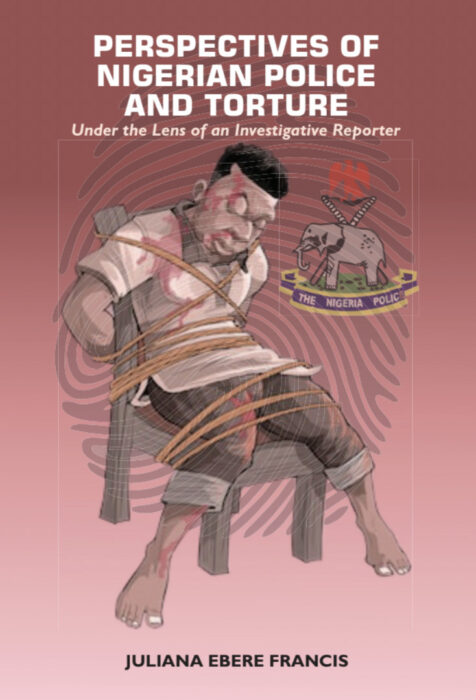
The report further detailed grave human rights violations, including the arbitrary search of mobile phones, confiscation of documents, and unlawful detention of those who resist extortion. FENRAD maintains that these actions directly violate the 1999 Constitution and the Nigeria Police Act of 2020.
In a formal appeal to the Inspector-General of Police and the Chief of Army Staff, the organisation demanded an immediate audit and the dismantling of redundant checkpoints. They are calling for a transition to intelligence-driven policing, the deployment of body cameras for highway officers, and strict disciplinary measures for those found guilty of misconduct.
“While the Nigerian Army plays a crucial role in national security, any involvement of military personnel in roadside extortion undermines the integrity and professionalism of the Armed Forces,” the statement continued.
FENRAD concluded by demanding the immediate withdrawal of “revenue-driven” checkpoints, insisting that security operations must focus on protecting lives rather than exploiting a population already grappling with severe economic conditions. #Securitynewsalert.com