

Stakeholders in the security, media and civil society sectors have called for stronger collaboration between the Nigeria Police Force and the media to rebuild public trust and promote gender-responsive policing under the Police Act 2020.
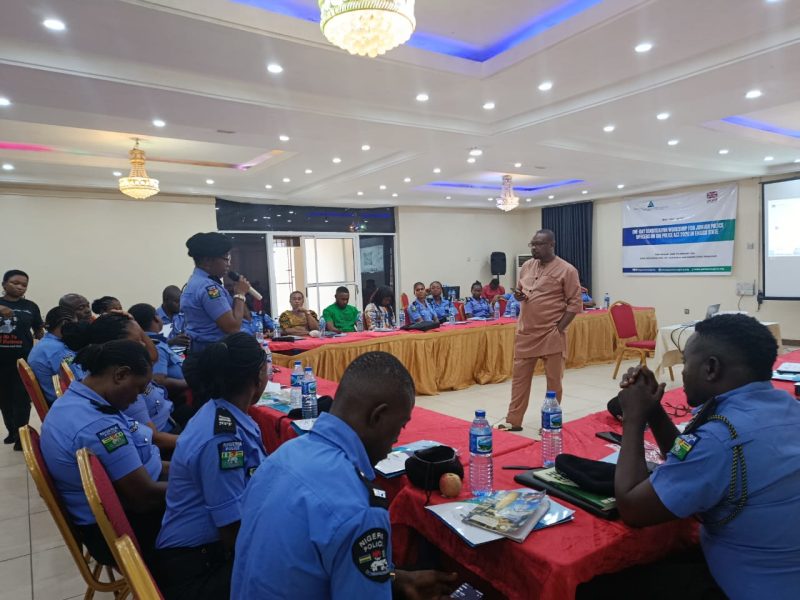
The call was made by the Executive Director of Rule of Law and Accountability Advocacy Centre (RULAAC), Mr Okechukwu Nwanguma, during a one-day Police and Media Dialogue Session held at Bon Platinum Hotel in Enugu on January 30, 2026.
Nwanguma said effective policing in a democratic society cannot exist without public confidence, stressing that the media plays a critical role in shaping citizens’ perception of law enforcement.
“Effective policing in a democracy cannot exist without public trust, and public trust is largely shaped by the interaction between the police and the media,” he said.
The RULAAC director noted that relations between the police and the public remain strained due to decades of authoritarian policing practices, corruption, brutality and weak accountability mechanisms.
According to him, many Nigerians, particularly young people, women and marginalised groups, often encounter police officers as sources of fear rather than protection.
“Public trust is the oxygen of effective policing. Without it, policing becomes coercive rather than protective,” Nwanguma stated.
He further expressed concern over the treatment of survivors of sexual and gender-based violence (SGBV), noting that many victims suffer secondary victimisation when reporting cases at police stations.
“Survivors frequently experience disbelief, ridicule, extortion, or exposure to stigma. When that happens, justice is denied twice,” he said.
Nwanguma described the Police Act 2020 as a landmark legislation intended to replace colonial-era policing structures with a modern system rooted in professionalism, accountability, community policing and human rights protection.
However, he lamented that implementation of the law remains weak nearly six years after its enactment.
Participants at a recent town hall meeting on the Act, he said, reported persistent corruption and abuse of power within the police system.
“They described police stations functioning as marketplaces for justice where bail, petitions and investigations are routinely monetised. Poor citizens are denied access to services while wealthy and politically connected individuals weaponise the police,” Nwanguma said.
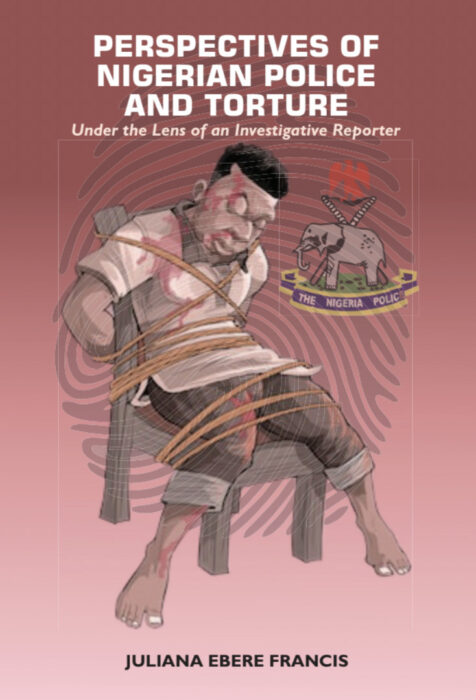
He added that torture, illegal detention and arrest in lieu remain widespread, while oversight institutions often fail to hold officers accountable.
Highlighting the importance of gender-sensitive policing, Nwanguma said fairness and dignity in handling gender-related crimes are central to building legitimacy and public trust.
“Gender-responsive policing is not about favouritism. It is about fairness, dignity and effectiveness,” he said.
He explained that victims of gender-based violence require specialised handling and safe reporting environments, while female police officers must be properly protected, trained and promoted.
“A police force that cannot protect women with dignity cannot command public trust,” he added.
Nwanguma emphasised that the media and the police are partners rather than adversaries, noting that responsible journalism can promote reforms, improve accountability and enhance professional conduct among officers.
“The media is not an enemy of the police. Neither is it a public relations department of the police,” he said, adding that scrutiny of law enforcement strengthens democracy rather than undermining it.
He warned that sensational or unverified reporting could inflame tensions and spread misinformation, while police harassment of journalists undermines press freedom and erodes credibility.
“When the police are silent, rumours fill the gap. When journalists are harassed or intimidated, trust collapses entirely,” he said.
To strengthen police–media relations, Nwanguma recommended regular dialogue platforms, joint training programmes and improved transparency in disciplinary processes.
He also urged police authorities to improve information sharing, respect press freedom and train spokespersons on human rights and gender issues, while calling on journalists to uphold ethical standards, verify facts and protect victims’ dignity. “Trust is a two-way street,” he said.
Nwanguma stressed that although the Police Act 2020 provides a framework for reform, rebuilding public trust requires consistent institutional practice and accountability.
“The police and the media are not adversaries. They are co-stakeholders in public safety, democracy and human rights,” he said.
He added that improved collaboration would encourage crime reporting, strengthen democratic governance and enhance protection for vulnerable groups.
“Without public trust, policing fails. And without trust between the police and the media, public trust cannot grow,” Nwanguma said.