

A peaceful protest demanding the release of Nnamdi Kanu, leader of the Indigenous People of Biafra (IPOB), turned violent on October 20 in Abuja, as police forces reportedly attacked demonstrators and arrested key figures involved in the movement.
The protest, organized by human rights activist Omoyele Sowore, drew attention to the continued detention of Kanu despite previous court rulings ordering his release.
Sowore, speaking to ARISE News, condemned the police response, stating, “We were attacked by the police because we are peaceful protesters. If we were bandits, they wouldn’t come near us.” He emphasized the movement’s commitment to nonviolence but warned that future generations may not tolerate such repression.
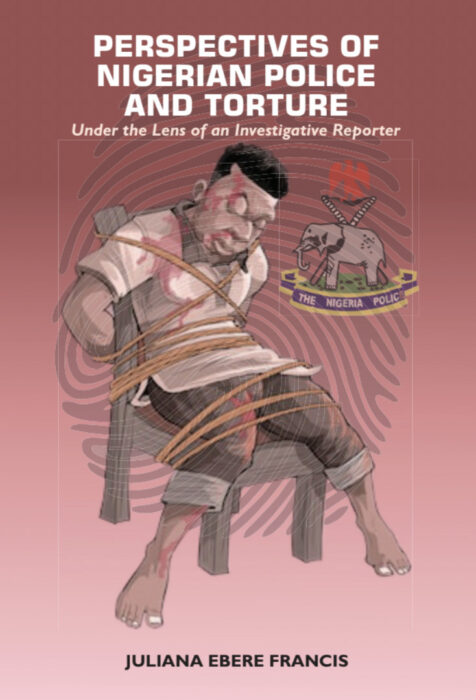
Among those detained were Kanu’s lead counsel, Barrister Aloy Ejimakor; his brother, Fineboy Kanu; Barrister Okere; and ten other demonstrators. Sowore alleged that the Inspector General of Police, Kayode Egbetokun, ordered their arrest and that the detainees were taken to the notorious SARS Abattoir facility, known for its history of human rights abuses.
The protest escalated when demonstrators relocated to the Federal Capital Territory Police Command to demand the release of the arrested individuals. According to Sowore, police forces responded with further aggression, attacking protesters outside the command. He claimed that the Inspector General had requested the detainees be “interviewed” and possibly held further.
Media coverage of the protest was also disrupted. News Central TV reported that its crew was assaulted by Civil Defence officers while covering the demonstration at the Ministry of Finance junction. The outlet emphasised its commitment to accurate and professional reporting despite the intimidation.
Sowore criticised the government’s use of security forces against peaceful citizens, saying, “Instead of using the soldiers and our police to fight terrorism at Sambisa and other places, they are using them on defenceless protesters.”
He described the protest as a reflection of widespread frustration among Nigerians over systemic oppression.
The incident has drawn condemnation from civil society and political figures, with calls for accountability and respect for constitutional rights continuing to mount.